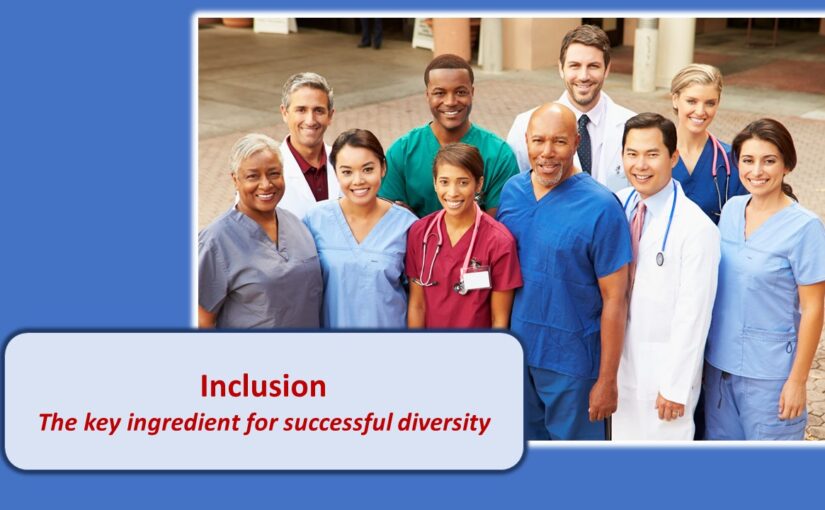
Inclusion; The key ingredient for successful diversity


By Thomas Davis, DNAP, MAE, CRNA

Follow @procrnatom on twitter

Social media is abuzz with strong opinions about diversity, social justice, and equality for all.  Facebook, twitter, and professional discussion boards such as AANA connect display hundreds of comments from passionate people who want their opinions to be heard.  Overnight, diversity has become a hot topic for discussion throughout our society.  While cultural diversity is important, it is the assurance of inclusion, both in society and in the workplace, that adds equality to the equation.

Diversity versus Inclusion; what’s the difference?

Diversity

Throughout its history, the United States has been referred to as a cultural melting pot.  We are a nation of immigrants where most people found their way to our country seeking an opportunity for a better life while others were captured, enslaved, and brought to our shores against their wishes.  Regardless of the circumstances for immigration, every individual currently in our society adds a unique perspective to the diversity of the nation. 

Without question, we are a diverse nation; however, that does not ensure that all people are respected and treated equally.  The decades of struggle by women and African Americans to obtain the right to vote highlights an instance of segments of a diverse population that were excluded from full citizenship and serves as an example of diversity without inclusion.

Inclusion

Inclusion is living one’s life with the belief that all people are important and deserving of respect.  It is overtly manifested by behavior affirming that the best and most creative ideas arise from many ideas and mandates participation by each segment of our diverse population.  Writing for Forbes.com, author Dan Schawbel stresses the importance of workplace inclusion by noting, “Inclusion is a call to action within the workforce that means actively involving every employee’s ideas, knowledge, perspectives, approaches and styles to maximize business success.” 

On the job, behavior ensuring that every member of the team can participate fully and equally in creative thinking, problem solving, and the development of innovative practice protocols are examples of inclusion.  In an inclusive environment, all voices are heard, and all opinions are thoughtfully considered.

Creating inclusion in the workplace produces positive consequences as noted by The Denver Foundation;

  • Higher job satisfaction
  • Lower job turnover
  • Higher employee morale
  • Improved problem solving
  • Increased creativity and innovation
  • Increased organizational flexibility
  • Improved quality of applicants for open positions
  • Decreased vulnerability to legal challenges

There is no downside to a culture of inclusion in the workplace.

Avoid subtle forms of exclusion

Overt exclusion involves behavior that is blatantly discriminatory and is illegal in most workplaces; However, covert forms of subtle discrimination are more difficult to identify and occur more frequently.  Author Jane O’Reilly identifies behavior such as failure to respond to a greeting from a colleague or looking at the phone while talking to a person as being dismissive and are examples of social exclusion.  Psychology today author Lynne Soraya adds to the list of workplace behavior that exclude team members and increases polarization of the workgroup.  She identifies the following as killers of inclusion:

  • Publicly reprimanding of an employee
  • Selectively not inviting all stakeholders to a meeting
  • Using sarcasm / ridicule when speaking to another employee
  • Dismissing those who do not speak up quickly as having nothing to say
  • Judging a colleague as less than committed if he/she does not participate in off duty activities
  • Committing a colleague to travel or extra work without discussing it with them
  • Punishing an associate for speaking up truthfully when something is not right
  • Cutting off and dismissing a person if they have a complaint
  • Finishing a sentence or thought for another person if they speak slowly
  • Bullying in any form

Writing for Quill.com, author Lindsay Kramer adds isolation, minimizing, and ignoring to the list of subtle behaviors that exclude people from full participation on a work team; behavior that must be taboo in the workplace.

Build an inclusive workplace culture

Human Resources has done their job and staffed your workplace with a multi-cultural, multi-gender, and multi-generational team; they have created diversity.  Now, it is up to you to add the magic ingredient of inclusion to capitalize on the ingenuity that each person adds to the group.  Here are some behaviors that will promote inclusion and transform the culture of your workplace

Examine your assumptions and become aware of hidden bias that you may have.  Ask yourself, “What if the opposite were true?”   For example, instead of assuming that James is not capable of taking on a project, consider that he is fully capable but has never been encouraged or given the opportunity to show his talent.

Seek opinions and ideas from a broad range of people.  Move beyond the comfort zone of your inner circle and ask for opinions from staff members who will most be affected by your decision.  Have a small, diverse group of workers meet to discuss issues and go around the table to ensure that each person speaks.  Listen attentively and if someone does not express an opinion the first time around the table, go back to that person and ask him/her to comment on a suggestion made by another person. 

Focus, listen, and ask questions when you are speaking to others.  Even the quietest people among the team have opinions and often they are quiet due to a history of being marginalized.  Actively listening and asking questions to expand the person’s train of thought sends a clear message that they are valued and builds a sense of inclusion.

Defuse drama and have zero tolerance for gossip or bullying in your workplace.  Drama focuses on a problem, creates a victim and is divisive to a team.   Instead, focus on finding a solution and encourage mentoring and coaching.  My previous article, 4 keys to eliminating disruptive behavior has additional tips for leaders who actively fight drama in the workplace.

Showcase the achievements of each team member and tie their individual accomplishments to the success of the team.  Demonstrate your belief that all jobs are important and praise grassroots workers for their commitment to the job and the team.  Post a Kudos Board in the break room and spotlight each team member several times per year and turn all birthdays into special days hailed by the entire team.

Promote cultural awareness by celebrating ethnic special days.  Plan festive displays in the break room for Cinco de Mayo, Kwanzaa, St. Patrick’s Day, Ramadan, and other holidays that are celebrated by individual members of the team. 

Encourage multigenerational collaboration among team members.  The Boomers on your team were born and raised in a world without cell phones or computers whereas the youngsters cannot imagine a world without them.  My previous article, Older workers strengthen the team,notes that combining the street sense of the elders with the tech savvy of Gen Y & Z is a great formula for success.  In a highly productive workplace, mentoring is two way and trans-generational with each demographic learning valuable lessons from the other. 

Build a gender-neutral environment where rewards and recognition are based on achievement.  Harvard Business Review author Tara Sophia Mohr advises against listing qualifications for a job because women don’t apply unless they meet 100% of the items whereas men apply when they meet 60% of the qualifications.  Rather, list the desired behavior and achievements expected from the new person and more women will apply.  Writing in Forbes Magazine, author Peggy Yu advocates gender neutral language in all management policies to include pay and benefits.  In addition, she notes that gender friendly bathrooms complete with pads and tampons promote an inclusive culture.

Diversity and Inclusion

Several centuries of American history have documented that diversity without inclusion marginalizes segments of the population and sets the stage for the protests that we are currently witnessing across the country.  Politicians can pontificate and pundits can tell us what we ought to do, but meaningful change will only happen at the grassroots level.  I cannot change the world, but I can change my world starting with my workplace and that mandates a culture of inclusion.  It is time to stop talking and get to work.

Tom is an experienced leader, author, and requested speaker.  Click here for a video introduction to Tom’s talk topics.


Setting the Standard

By Thomas Davis, DNAP, MAE, CRNA

Follow @procrnatom on twitter

Standards are essential

High quality patient care must be delivered in a consistent and safe manner; professional organizations set standards to define it, institutions develop policies to provide it, payors demand it and patients deserve it.  Frontline workers must deliver it.

The history of standards for patient care can be traced to the 1800s when obstetrician Ignaz Semmelweis demanded handwashing by those providing medical treatment.  Several decades later, surgeon, Ernest Codman, became a relentless champion for hospital standards and the assessment of outcomes.  Legendary nurse, Florence Nightingale, identified the link between living conditions and death rates among soldiers and became a powerful advocate for basic nutrition of soldiers and setting sanitation standards for the barracks.  In each case, a healthcare  champion pushed the medical profession to set standards – a minimal expectation below which care cannot be allowed to drift.

Throughout the 20th and into the 21st century, there is an ongoing focus on improving patient safety and outcomes through the development and enforcement of standards for care.  The topic of reliable evidence-based medical treatment has gained front page prominence and is now included in the AMA Journal of Ethics for physicians.  This, from the ethics journal:

  • Standards of quality are statements of the minimum acceptable level of performance or results and what constitutes excellent performance.
  • Medical practice guidelines are evidence-based statements to assist practitioners in their decision making.
  • Medical review criteria are statements used to assess the appropriateness of specific decision, service, and outcomes in the delivery of care.
  • Performance measures are observable and measurable criteria that indicate compliance with medical quality standards

In 1965, Congress passed legislation that created the Medicare and Medicaid programs intending to create a medical safety net for the elderly and those who were otherwise uninsured.

Authors Youssra Nariousa and Kevin Bozic. note that along with entitlements, the bill established “conditions for participation,” conditions which, in subsequent years, evolved into a mandate for the establishment of standards of care; criteria that must be met if reimbursement for service is to be obtained.  By default, the Center for Medicare and Medicaid services became a powerful force demanding the creation and enforcement of standards of care in healthcare.

Professional organizations and patient safety advocacy groups also play an important role in the establishment of standards of care for practice.  The American Medical Association and the American Nurses Association collectively set practice standards that are applied broadly to the healthcare industry.  Sub-specialties in medicine and nursing also have professional organizations that establish performance criteria for providers in their sub-specialty.   For example, anesthesia related organizations establish practice standards that affect the entire perioperative area.

Specific to the practice of anesthesia, the American Association of Nurse Anesthetists, the American Society of Anesthesiologists, and the Anesthesia Patient Safety Foundation have all established minimum criteria that must be met to ensure safe practice.  Although each organization’s differing views on supervision may affect the wording, most of the standards are essentially the same between the three anesthesia specific groups.  Current standards for the delivery of anesthesia include:

  1. The constant presence of a qualified anesthesia provider.
  2. Adequate oxygenation including continuous analysis of the fresh gas flow, pulse oximetry and clinical observation
  3. Adequate ventilation as evidenced by continuously observing the level of expired carbon dioxide during moderate sedation, deep sedation or general anesthesia.  Verification of correct placement of any artificial airway device.  The use of ventilatory monitors as indicated
  4. Physiologic monitoring of blood pressure, heart rate and respiration with documentation at least every 5 minutes.  Monitors must have audible alarms that are turned to a pitch that is easily heard by the anesthesia provider.
  5. Cardiovascular monitoring to assess the patient’s heart rate and cardiovascular status.
  6. Thermoregulation when clinically significant changes in body temperature are intended, anticipated, or suspected. 

Although specific hands-on techniques have changed due to the threat of COVID-19, standards of care remain in effect and must be met.

Look beyond the horizon

As cutting-edge technology becomes routine evidence-based practice, standards of care are updated and the baseline for minimal acceptable care is elevated.  For example, the pulse oximeter was introduced to clinical practice in the mid-1980s and by 1987 rapidly became a standard of care for the administration of general anesthesia in the US.  The sudden elevation of monitoring requirements created a scramble to obtain the necessary equipment for meeting the new criteria.

Therefore, before morphing into a standard of care for the profession, new technology and techniques that are safe and effective are often introduced as local policy and evolve over time into a new minimum requirement.  Rather than waiting for requirements to change, be a workplace champion and elevate your practice by developing local policies that exceed current minimum standards.  Once done, push to make your elevated level of care a standard for the profession.

Future standards of care

Implementing new standards of care must be done judiciously and within the capability of providers to comply with the mandate.  Once a standard is set, those who do not meet the requirement are legally liable and might not be reimbursed for their services.  Stay ahead of the curve by considering these items for inclusion in the policies that govern your workgroup.

Video laryngoscope   Fiberoptic endotracheal intubation was introduced to clinical practice in the 1960s and by the 1980s became the first line of defense for a difficult airway.  Now, the video laryngoscope has proven itself to be faster, lighter, and equally reliable to the technology of the 80s making fiberoptic intubations a rare event.

With the outbreak of the COVID-19 pandemic, anesthesia providers are seeking ways to separate themselves from the patient’s airway and many who intubate opt to use the video laryngoscope to create distance from the patient’s face.  Because the video scope has proven itself to be an exceptionally reliable first backup for a difficult airway and offers the added protection of distancing the provider from the airway, many anesthetists believe that the video laryngoscope should be a standard of care for the future.

Ultrasound for nerve blocks   Anesthesia providers toward the end of their careers can remember the days of seeking paresthesia while placing a peripheral nerve block.  Not only were results of landmark guided blocks less reliable, actual damage to the nerve was not uncommon.  Currently, ultrasound is being used to visualize the placement of local anesthesia in the space surrounding the nerve and has reduced the incidence of nerve damage associated with administering the block.  The improved patient safety and reliability of ultrasound guided nerve blocks will mandate this technique as a standard of care.

Multimodal pain therapy   The spectrum of sedation through general anesthesia does get the patient safely through the surgical procedure but it does not provide adequate analgesia for the immediate postoperative period.  Multimodal pain management uses a combination of different classes of analgesics which opens the door to comfortable, opioid-free recovery from surgery.  The effort to eliminate addiction to opioid drugs will mandate that multimodal pain become a standard of care.

Change the status quo by raising your standards

Quality healthcare is a platitude that arises from the C-suite; however, it is a way of life for the frontline workers delivering hands on service to clients.  To ensure positive outcomes, standards of care draw a line that quality patient care must not fall below; however, they do not necessarily represent the optimal treatment options available.  Healthcare providers in every specialty can raise the bar and exceed minimal requirements by constantly developing policies and procedures that exceed existing standards.  Anesthesia providers implement policies that require the use of new technology to protect the provider and improve the safety of the patient.  Surgeons implement policies that provide effective, opioid-free pain control postoperatively.  Perioperative nurses alter workflow policies to ensure the delivery of high-level care while maintaining social distancing. 

Today’s policies will become tomorrow’s standards.  Be a champion for your profession by constantly updating policies and procedures to reflect an elevated level of care and then be an advocate for establishing them as a new standard of care.    You may be on the frontline, but your initiatives will have a greater impact on healthcare than all the slogans coming from the front office.

Tom is an experienced leader, author, and requested speaker.  Click here for a video introduction to Tom’s talk topics.
Life lessons for leaders

By Thomas Davis, DNAP, MAE, CRNA

For everybody, even those who hold advanced degrees from prestigious business schools, great leadership is built upon life experiences.  Growing from lessons learned in kindergarten and subsequently validated throughout one’s personal journey, life’s lessons provide a solid foundation for decision making and for relating to others.  The release of Robert Fulgham’s book in 1986, All I really need to know I learned in Kindergarten, prompted chuckles, head nods and words of agreement from those who read the popular book.  Now, almost 35 years later, readers of his updated book continue to appreciate the life skills that they learned as a 5-year-old.  Several of the life lessons identified by Fulgham include:

  • Play fair
  • Don’t hit
  • Share everything
  • Don’t take things that aren’t yours
  • Clean up your own mess
  • Say you are sorry when you hurt somebody
  • Take a nap every afternoon

You are only a leader if others are willing to follow

Toddlers who initially learned the golden rule from parents and then learned entry level social skills in elementary school got a great start, however, the wouda, shoulda, coulda moments experienced by each of us during the course of our life solidify concepts that, when heeded, propel us into a successful future.   There is a lot to be learned from the school of hard knocks, but it is always better to learn from the misfortune of others rather than making mistakes oneself.  Here are a few of life’s lessons that you can incorporate into your behavior to enhance your leadership abilities.

You must be present to win

John Maxwell, in his book The 5 levels of leadership: proven steps to maximize your potential, describes level 2 as leadership by permission in which the team wants to follow the leader.  It is based on trust and confidence that develops over time through transparent interaction.  Being both physically and mindfully present is essential.   Having a physical presence takes commitment and requires the leader to schedule time every day to mingle with workers.  Being mindfully present necessitates centering on the other person to ensure that he/she is not only listened to but heard.  A workplace survey conducted by Bain & Company revealed that centeredness arising from a connection between workers and the boss was the number one attribute of a successful leader.

Protect your reputation

In the words of Benjamin Franklin, “It takes many good deeds to build a good reputation and only one bad one to lose it.”   Your reputation is your calling card and in the digital world it can be handed out to hundreds of people with a few clicks.  Recently during a procedure, the surgeon harshly and unfairly made false accusations and chastised the circulating nurse in front of her peers.  Before the procedure ended, every nurse in the building knew about the incident (text networks operate at laser speed) and to date, none of the nursing staff trust the surgeon.   What you say and do is seen, known, and shared by others.  Determine the reputation that you want for yourself and align your words and actions accordingly.  You will be watched and discussed; make sure people have positive things to say.

Be good to people and build good relationships

In the business community, success comes at the speed of developing confidence through honest and open relationships.   Author Jonathan Okies writes “It doesn’t cost a penny to be nice to someone” and encourages people to smile and strike up a conversation with at least one new person each day.   Vendors of all types, including those selling orthopedic devices, know that their survival is not based on the product, but rather on the relationship they develop with the surgeon.  If you are a leader, your team deserves no less.  Get to know those you work with and offer mentoring and verbal encouragement daily.  When members of your team know that you have their back, they will give you their trust.

Your attitude toward life will determine life’s attitude toward you

In the words of Samuel Goldwyn, “The harder I work, the luckier I get.”   Leaders at every level set the tone for their workgroup, set expectations, and influence productivity.  Author Liminita Savuic applies the law of attraction to life’s experiences and notes that we attract the things we focus on.  If you think that life is unfair, you will constantly be in the role of a victim whereas believing yourself to be competent and capable will attract a steady flow of opportunities.  If you want good things to happen but you are not fully confident in yourself, fake it until you make it.  Visualize someone who is successful and play the role until it becomes who you are.

Establish your health early and maintain it for life

It doesn’t matter how smart or competent you are, when your physical health is gone, your work career is over.   It is important to have a healthy body and mind as noted by 17th century English bibliographer William London, who advises “To ensure good health; eat lightly, breathe deeply, live moderately, cultivate cheerfulness and maintain an interest in life.”  

As described in my prior article, Welcome to club 85, those who neglect their health acquire co-existing diseases which require medications that suppress the immune system and, in turn, increase susceptibility to the COVID virus.  Establish healthy habits while you are young and maintain them throughout your life.  To paraphrase my mother, “it’s easier to stay healthy than to get healthy.”

Invest wisely

When asked about life lessons that have propelled his career, Warren Buffet replied, “invest wisely.” Author Drew Hendricks notes that Mr. Buffet was not talking about buying stocks, bonds, or businesses, rather, he was talking about investing in ideas and then finding the right people to convert them into a reality.  Leaders are resource managers and two valuable resources are time and energy.  Whenever you say yes, you are committing time and energy that cannot be used elsewhere.  Follow Warren’s advice and invest yourself sparingly only after considering the cost/benefit ratio.  Before making a promise, assess the ROI and take on only those projects that offer benefit to you, your team, and your organization.  Without exception it is better to give an honest no than a false yes

Millions of dollars are spent each year on books, videos, webinars, and courses in leadership that, when stripped of the glitter, really come down to the application of life’s lessons.  The principles of emotional intelligence are founded in the lessons learned in kindergarten and the value of collaboration and empowerment arise from the time-proven lessons we learn from our successes and failures.  We all make mistakes, that’s a given; gaining knowledge from them and applying the lessons to future situations is the difference between being a great leader versus an average manager.  As you walk the path of life, look up and appreciate every experience that is offered along the way.  Live, learn and enjoy life one day at a time.

Tom is a published author, skilled anesthetist, proven leader, and frequently requested speaker.  Click here to view current topics ready for presentation.

Celebrate the Fourth of July by Teambuilding

By Thomas Davis, DNAP, MAE, CRNA

Follow @procrnatom on twitter

Enhancing teamwork is an essential task for leaders who want to empower workers, promote their collaboration, and increase their commitment to the job.  Writing in Forbes Magazine, author Brian Scudamore notes that group activities for the team “builds trust, mitigates conflict, encourages communication and increases collaboration.”  In addition to bringing people together, teambuilding activities break the daily routine and adds pizazz to a special day.   Author Eric Schad agrees that teambuilding is essential and notes that group activities promote socializing, friendly competition, and improves team performance.  Planning and implementing events to challenge cooperative interaction requires time, energy, and resources on your part as the leader and the organization; however, the ROI is worth the effort. 

The fourth of July is a mid-summer celebration that historically draws families to parks to eat hot dogs, sip on soda and watch fireworks.   Similarly, the week leading up to Independence Day is often a festive time in many workplaces and a great opportunity to infuse a little fun and energy into your group with team building activities.   Distancing restrictions are being eased, people are returning to the workplace and insightful leaders are leveraging their position by planning activities to re-unite the workgroup.  Here are some tips for lighting a fuse that will unite and motivate your team.

Individuals play the game, but teams beat the odds. 

~Seal Team

Virtual teambuilding

Americans are creative people and have found a way to continue to function within the parameters generated by the social distancing rules.  The traditional company July Fourth picnic is likely taboo but that does not need to shut down the opportunity for group events.  The internet offers a great platform for virtual events that are fun an interesting.   Look over these activities to get started, then use your imagination to invent more.  

Games People Play

Who-is-it competition   Ask each person on the team to write something about themselves that others would not suspect.  Post several each day leading up to the 4th of July and have team members guess who it is.   A variation of the game is to name the person and post 3 “facts” of which only one is true.  Have the team consider the person and select the true statement.

Riddles   The internet is “riddled” with them and some are quite complex.  Find one, post it then challenge your team to solve the riddle together, as one.  Slack and WhatsApp are two popular platforms that are user friendly for team chats that allow the group to work together to reach the solution.

Online games   Chess, checkers, Yahtzee, and many other traditional games are online.  In addition, Parade Magazine lists 25 online games to be enjoyed while social distancing.  Set up a tournament and let team members go head to head until one champion is left standing.

Quizbreaker   This is an online app that each team member can join.  A question is posed to the group and each team member replies.  This is a favorite for remote workers who want to remain connected with one another.

Build a story   Start a story line and then challenge team members to add to the tale, one person at a time, until the last individual brings the story to a surprise ending.   A group “reply all” email or one of the chat platforms listed above will facilitate this activity.

Picture contest   Create categories and have people submit pictures.  A variation is to have each person submit a picture of something in their home and have others guess who posted the pic.

Online happy hour   With or without alcohol, gather on a zoom or skype platform to share music, stories, and a glass of whatever floats. A variation would be to have a bartender’s happy hour where each person shows the group how to mix their favorite drink.  Danger:  Active participants may not remember the last few recipes that were shared.

Getting good people is the easy part.  Getting them to play together is the hard part

 ~Casey Stengel

Workplace teambuilding

Those of us who remained on the job over the last historic months have learned very quickly how to work around others while preventing the spread of the deadly disease.   Even though masks are being worn and social distancing is enforced, most workplaces continue to have common areas where workers gather in small groups, take breaks and share stories.  On the day before the holiday break, bring in extra people to help cover the workload and offer an extended lunch break for each worker.  Allow the team to filter through the break area in small groups and have activities set up for them to enjoy. 

Hot dogs and ice cream   Hey, it is the 4th of July and some traditions must be maintained.  Give the workers a free lunch while they mingle among the activities.

Puzzles.  Start a jigsaw puzzle on a table and encourage everybody to add a piece to the puzzle as they filter through the room.

Bean bag toss.   This game comes in all sizes from tabletop to targets large enough for the park.  Assess your space and start tossing.

Guessing games.  Fill a jar with gourmet coffee beans or red, white, and blue Jelly Bellies and have each person write down their guess with the jar going to the closest guess.

Basketball hoop.  OK, you are inside but a mini hoop with a nerf basketball is an open invitation for a free throw contest.  Watch the hot shot secretary shame the high school letterman.

Foosball table.   Space permitting, set up foosball for those who want to expend a little energy on head to head competition with a colleague.

Giveaways.   Make it a day to remember by sending each person off with a gift.  A R,W,& B facemask with your company logo demonstrates your commitment to safety and advertises your company to the local community.

Outdoor activities

With July 4th falling on a Saturday and most state and city parks open again, plan a long social distance walk in the city park, a hike on the trails in a wonderfully wooded State Park or a group bike ride.  Designate a central location where a variety of activities can begin and end, then coordinate a time for everybody to return for BYO recovery treats.  Breaking into small groups and using multiple routes respects social distancing requirements while providing healthy outdoor activity.

It’s time to emerge from the COVID cave

The best and most productive workplaces know the value of teambuilding and actively seek mentally challenging and physically stimulating ways to bring the group together.  Reuniting teams after the COVID separation is essential and the fourth of July is a holiday that naturally draws people together for active relaxation.    Give your team a red, white, and blue experience to remember, and one that will unite them, augment relationships, and improve productivity.

Tom is an experienced leader, author, and requested speaker.  Click here for a video introduction to Tom’s talk topics.
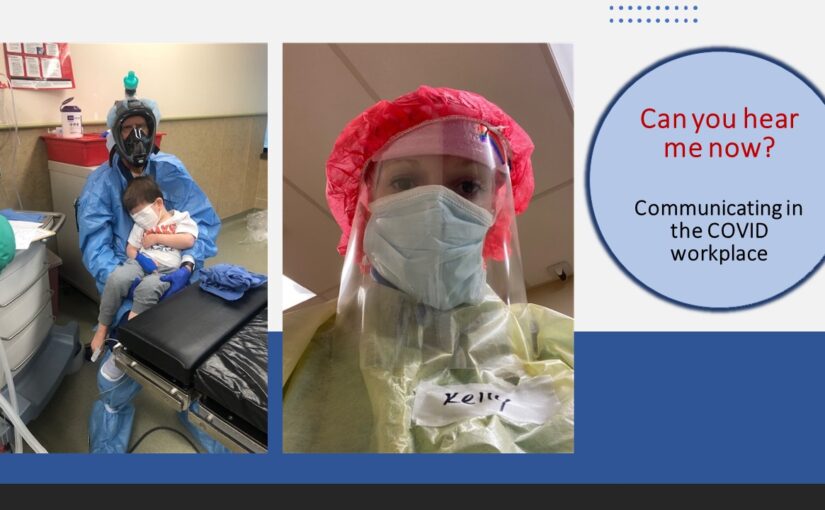
Can you hear me now? Communicating in the COVID workplace

By Thomas Davis, DNAP, MAE, CRNA

Follow @procrnatom on twitter

Communicate, communicate, communicate…a message that has been drilled into all of us as a key ingredient for effective leadership, patient safety, teamwork, and the future of mankind.  Collaborative teamwork requires that the vision of the leader be understood by the team and empowered workers deserve to know exactly what is expected of them.   Partial or ineffective communication sets the stage for disaster regardless of knowledge or level of experience of those involved, as evidenced by the greatest loss of life in aviation history.

On a foggy morning in 1977 on the island of Tenerife, just off the coast of western Africa, KLM flight 4805 was awaiting clearance for takeoff as PanAm flight 1736, still on the runway, was rolling toward the nearest exit point.  Pilots in each plane and the controller in the tower were all speaking in English, a learned second language for each person.  Fog prevented visual contact from the tower to the runway so verbal talk in a non-native language via a radio was the only way to communicate the positions of the planes.  Interpreting a message from the tower as clearance for takeoff, the KLM flight went to full throttle, accelerated, and hit the PanAm plane killing 583 people.  Communication failure cost many innocent lives that day on what was otherwise a beautiful vacation island.

Communication is equally important for safety in healthcare.  The Institute of Medicine published a report in 1999 stating that up to 100,000 deaths occur annually in the United States due to medical error.   Current statistics published by the CDC and CMS indicate that death due to medical error has not been reduced in the past 20 years and root cause analysis of closed claims prompted the Anesthesia Patient Safety Foundation to list communication errors as a major risk for patient safety.  Poor communication in healthcare does not leave hundreds of people dead on a runway; however, the results are equally devastating to the family and friends of the injured person.  Just as in aviation, effective communication among healthcare providers prevents errors and saves lives.

Shrouding the body in plastic, masking the face, and shielding the head stops more than the COVID virus, it muffles sound and removes visual ques.

The threat of the COVID 19 virus mandates that healthcare providers utilize personal protective equipment (PPE) for their own security as well as the safety of friends and family that they interact with after work.  Along with the protection provided by the PPE barrier comes the unintended threat of patient harm caused by difficult communication among those wearing full PPE.  For example, recently a surgical technician in our break room commented, “I’m glad I know his routine because I didn’t understand half of what he said to me.”  My personal experience while wearing PPE is that I find myself speaking louder, standing closer and asking people to repeat themselves frequently.  The option of being like the KLM pilot and acting based on what was thought to have been said rather than seeking clarification is not acceptable in healthcare.

An internet search related to communicating while wearing PPE revealed the story of a nurse who was hard of hearing, dependent upon lip reading and was forced to retire when masks became a requirement in her workplace.  No doubt, many of our elderly patients, with or without COVID, share her inability to fully understand words spoken through a mask and face shield.  Even when word are heard and understood, masks present a barrier to developing trusting relationships with patients as evidenced by a study by Wong et al (2013) published in the BMC Family Practice journal.  The study revealed that family practice physicians who wore a mask while interviewing patients were less likely to create an empathetic, trusting relationship.  The findings reinforce the importance of removing the facemask if possible when around non-COVID patients while maintaining strict social distance rules.

Am I suggesting that we should NOT be using PPE?  Emphatically NO because PPE is crucial for provider safety; however, we must take steps to ensure that PPE is not a barrier to collaborating with colleagues or connecting with patients.  Here are some tips for effective communication while wearing protective equipment.

Communicate clearly in the COVID workplace

Use closed loop communication.   Advocating for patient safety, the CDC recommends closed loop communication while wearing PPE to ensure understanding.  With closed loop communication, the sender initiates the message, the receiver acknowledges the message by giving feedback, and the sender verifies the feedback.  For example, one person may ask another to draw up 0.5 mg of atropine.  The second person repeats, “I will draw up 0.5 mg of atropine” to which the sender says, “yes, 0.5 mg of atropine is correct.”

Use technology.  We live in a digital world and technology abounds to assist communication.  When words are muffled, mobile devices can be used for typing and sending messages to others while wearing PPE.  Always protect devices in a plastic wrap and wipe them frequently with disinfectant.  In addition to personal devices, walkie-talkie type gadgets can be worn under the PPE garment and provide a channel for clear communication.  The Vocera system is but one example of an electronic device designed to provide effective communication while wearing PPE.

Create trigger words and signs.  Pre-arrange both verbal and non-verbal ways to bring the team to a halt if something is not understood or is not correct.  Make a large sign that says “STOP” or have a red card to hold up for all to see when immediate help is needed.  Agree on a hand gesture such as the “timeout” signal given by a football referee or the “halt” sign given by a police officer to stop any procedure that you feel is unsafe.  Next, consider other supplies that are needed or events that happen frequently where a sign would be appropriate for informing colleagues.  Make sure that signs are appropriately cleaned between uses.

Use body language and facial expressions.  Writing in Health News Hub, author Ken Harrison offers advice for using the body to enhance communication while wearing PPE.  Recommendations include maintaining a relaxed posture and using hands and arms to reinforce the words that are spoken.  Stand where you can see one another’s facial expressions.  Psychology Today author Karen Krauss Whitbourne notes that the eyes tell the story when it is difficult to hear words.  Joy, fear, anxiety, and excitement are all expressed through the eyes and eyebrows add emphasis.  Use them to your advantage when your words are difficult to understand.

Gestures and nods.  Several years ago, I was told that traveling in Italy is easy because Italians talk with their hands; just ask for directions and watch their hands.   When in PPE, do as the Romans and use your hands to reinforce your words.  If you need two syringes, hold up two fingers. When a patient needs to move to a new position, use your hands to indicate what you want the patient or your assistant to do.  While talking to another person, use head nods to indicate understanding of what was said.

Flash cards and pictures.  Being sick, fearing death, and receiving treatment from people in space suits can be very frightening.  Take and print a picture of yourself, wrap it in plastic and pin it to the outside of your gown to let patients know that there is a human inside.  Create flash cards for instructions that are frequently given to patients and hold them up as you talk to the patient.  As above, use your eyes, gestures, and body language to reinforce the message you are sending.

The COVID crisis has caused healthcare workers to pause and re-define their workflow to ensure that patients receive effective treatment while solidifying the safety of providers.  The first step toward safety is to become aware that others may not understand what you say, and the second step is to immediately halt the other person and ask for clarification if you do not understand them.  With some thought and pre-planning, the barriers put in place to protect providers need not pose a threat to those in need of their care.  Rather than behaving like the pilot sitting on a foggy runway and taking action based on a garbled message, use all your resources to creatively ensure that messages are accurately sent and received.  Who knows, learning to speak loudly while using facial expressions and hand gestures might position you for a career on stage when theaters reopen.   

Tom is a published author, skilled anesthetist, proven leader, and frequently requested speaker.  Click here to view current topics ready for presentation.

4 Keys to eliminating disruptive behavior

By Thomas Davis, DNAP, MAE, CRNA

Follow @procrnatom on twitter

Disruptive behavior is a killer

Disruptive behavior kills team morale and productivity in several important ways, some more obvious than others.  When unsettling behavior is allowed to continue, tension and anxiety become the mood of the group.   Even worse, constant complaining is often contagious and can cause some co-workers to respond with, “If you think you have it bad, this is what happened to me.”  Disgruntled workmates may overtly retaliate and respond with anger and acts of sabotage.  Eventually, the team will break down and become totally dysfunctional.

Adding to the problem are the less obvious negative effects of disruptive behavior; workers risk their physical health as they lose sleep or begin unhealthy activities to cope with the workplace stress.  When animosity builds and collaboration breaks down, there is an increased risk of injury both for the workers and the clients they serve.  In addition, the organization suffers when productivity drops, clients become dissatisfied and the most talented members of the team find a new job.

Have you worked with these people?

Supertech’s story   A surgical technician, working in a busy surgery center, happens to be exceptionally good at her job.  She is also the most predictable person employed at the center, but not in a good way.  Supertech has a toxic personality and you can count on her to deflate the morale of the group daily.  At every opportunity, she dominates the conversation and dwells on one of several topics – problems in her personal life, inept co-workers, incompetent management. While her skills are respected, her mere presence creates an undercurrent of tension that is exhausting to her colleagues and damages the entire group. 

IckyU’s tale  At a nearby hospital, an experienced ICU nurse who wants what he wants when he wants it has scant tolerance for disappointment.  Because he needs people to like him, he remains pleasant with a smile on his face, uses an agreeable tone of voice, but relies on passive-aggressive behavior to give pay-back and reek workplace havoc.  Once a co-worker is on his bad side, he will intentionally withhold both information and assistance because he takes pleasure in watching others struggle and fail.  Both IckyU’s insidious sabotage and Supetech’s in your face attitude keep the pot stirred at their respective workplaces and both damage the team.

“Peace is not absence of conflict, it is the ability to handle conflict by peaceful means.” ~Ronald Reagan

Types of disruptive behavior

It is easy to address a problem that is seen and known by all.  Overt acts such as harassment, bullying and aggressive behavior are easily witnessed and documented, and the leader has tangible reasons to hold the perpetrator accountable for his/her actions.   Addressing covert acts such as those displayed by the disgruntled ICU nurse is more challenging but equally necessary.  Writing for Chron, Author Molly Thompson identifies the following as behaviors that upset the team:

  • Bullying
  • Harassment
  • Tardiness / absenteeism
  • Gossip/bad attitude
  • Insubordination
  • Know it all
  • Primadonna
  • Office romance
  • Personal issues

When left unopposed, these negative forces form a powerful vortex that sucks the life out of the team and the workplace.

            Keys to combating disruptive behavior

Problems seldom go away on their own.  Leaders have a choice between stopping a bad behavior when it first emerges or dealing with it later after it kills the spirit of the team.  Anticipate that perpetrators will use every possible excuse to rationalize their behavior so make sure your facts are correct before jumping in to call a foul and hand out a red card.  That said, do not let analysis paralysis prevent you from taking necessary action.  Try these four actions to help you confront and address issues created by the problem child on your team.

Listen  Those who lack courage or power to address issues head on will fight back via passive/aggressive behavior and sabotage.  The essential first step toward correcting the situation is active listening because the feeling of not being heard, understood, or respected leaves a person feeling unappreciated and powerless.  You do not have to agree with or pacify the person, but you must actively listen before acting.  Showing empathy and clarifying misunderstandings will often convert an enemy into an ally.  Sometimes, just feeling as if he/she is understood is enough to defuse anger and modify behavior.  

Review the purpose of your team.  When there is an overall negative vibe throughout the group, the problem will not go away until the culture changes.  Call a team meeting to discuss the need for common courtesy and collaboration in the workplace.  Ask leading questions such as, “How would we behave if we truly respected one another?”  “What behaviors do we need to either promote or eliminate in order to demonstrate collaboration and appreciation?”  Allow your team to develop lists of desired and taboo behaviors and use those lists for step 3, developing a code of conduct. Note: do not be surprised if  your team puts some of the behaviors of your bad actors on the taboo list.

Develop a code of conduct.  Build on the feedback from the team and develop a code of conduct for your workplace.  The code must outline behavior that is expected when staff members are working with each other and with your clients.  Print the code on a form with a signature block and invite team members to sign a pledge to use only positive behavior.  Once done, challenge team members to hold one another accountable for abiding by the new rules that they have helped to create.

Enforce zero tolerance.  Once the groundwork has been completed and the stage has been set for a culture change, assume that you will be challenged.   If disruptive behavior continues, have a formal one on one talk with the person, review the code of conduct, and then tell the person, “If this code is not you, this is not your job.”   As you build your team, discuss the code of conduct with each applicant to ensure that he/she knows up front the expected behavior in your workplace.  Have applicants sign a pledge to adhere to the code of conduct as a condition for joining the team.

Some leaders inherit troublesome workers like the scrub tech and the ICU nurse when they sign on to be the boss; others watch behavior deteriorate over time as one bad apple ruins the bunch.  Superteach trash talks everybody around her, insists that she is a victim and drags down anybody who will listen.  IckyU is more elusive and acts out his victim role by sabotaging the group and by being unwilling to work collaboratively.   Both behaviors are disruptive and violate a normal code of conduct for a collegial workplace.  Build upon the consensus of those on your team who want to create a positive culture and take a stand against bad behavior.  Have some courage, do the right thing, and disrupt the disruptors.  Both you and the others on your team must be allowed to do your job without the anxiety caused by unruly workers.

Tom is an experienced leader, author, and requested speaker.  Click here for a video introduction to Tom’s talk topics.
Get Results

By Thomas Davis, DNAP, CRNA

Follow @procrnatom on Twitter

Some people want it to happen, some wish it would happen, others make it happen ~Michael Jordan

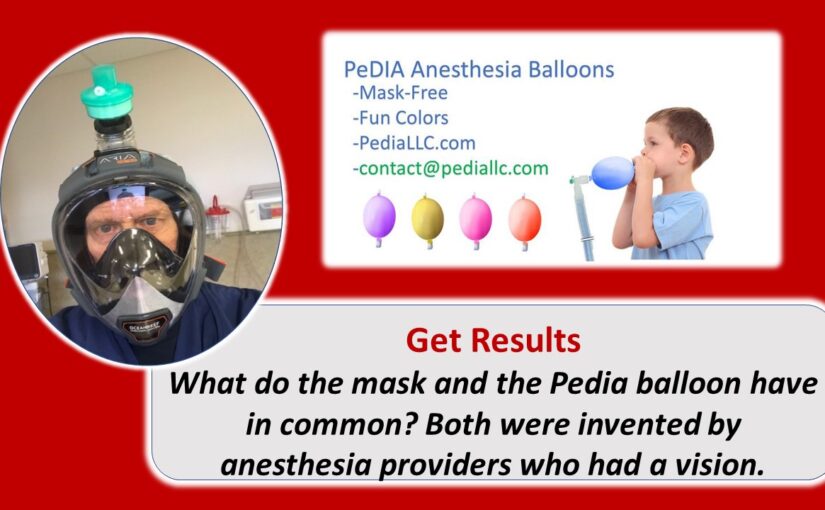
My colleague, Dr Eric Shepard, MDA, had a strong desire to ensure that our staff was able to continue to function in the COVID environment with the least possible exposure to the deadly virus.  In his research he located a scuba facemask used by the Italian military and envisioned replacing the snorkel port with a filter that would remove 100% of the airborne virus.   Tirelessly, he worked on developing an adaptor that would accommodate a filter which removed the COVID virus from inhaled air.  After developing a design, he consulted a local engineer and together they produced a prototype adaptor that would fit into the mask.  He then coordinated with the manufacturer in Italy who eagerly welcomed the modification and produced samples.   Next, Eric applied for and received approval from the FDA to use the mask in the United States.  Eric’s creative idea at the beginning of March resulted in a new barrier to COVID by mid-April.  As a result, NAPA anesthesia purchased 2000 of the masks and distributed one to each healthcare provider in their system.  Without persistent effort, a valuable concept would have died on the vine. 

Similarly, Diane Miller, CRNA, had a vision for a device resembling a toy that would make inhalation induction of anesthesia more fun for children.   She, too, worked tirelessly to develop prototypes followed by testing.  Based on feedback from colleagues and the reaction of children using the experimental device, she tweaked her model to make it user-friendly for the anesthetist and fun for the child.   She spent months obtaining a patent, testing the device, and gaining FDA approval for marketing the gadget.  Diane located a person to manufacture and package the product and investigated marketing strategies.  Without the creator’s consistent and committed effort, the Pedia pediatric anesthetic device would not exist.

In contrast to those who do achieve their goals, some people work extremely hard, are fatigued at the end of the day but have little or nothing to show for the effort.  They are busy but not necessarily productive.  Here is the difference.

Busy people are always in motion working on something.  They want to be good at everything and continually multitask which ensures that no project gets their full attention.  They frequently feel rushed, so their efforts to make what they are working on a little better often leaves the project undone, awaiting one more tweak.  Busywork is ongoing and is seldom completed.

Productive people remain focused while working with a sense of purpose.  Because they have a clear concept of what they want to accomplish, they do not become distracted nor discouraged.  They tend to be less frantic than their “busy” colleagues and have a relaxed concentration and optimistic interest in the task at hand.  Because they are determined to achieve the desired outcome, they will not be deterred until the project is brought to closure.

How to Achieve Results

Numerous times throughout my career, I have heard a friend or colleague groan when a new device was introduced saying, “I thought of that years ago…I’d be rich if I had followed through on my idea.”  

Transforming yourself from wants it to happen “trier” into the makes it happen “doer” requires a clear knowledge of what you plan to achieve.   With the outcome in mind, you will need a commitment of time, effort, and resources in order to get the ball rolling.  Applying your focus to the project requires you to narrow your perspective and remove distractions.  Peter Landau, writing for the Projectmanager bog, offers several suggestions for removing distractions, including the following.

  • Develop a schedule and keep it
  • Ensure proper nutrition and sleep
  • Use physical and emotional barriers such as room dividers and relaxing music to block other activities
  • Have a clean workspace
  • Turn off your phone
  • Let others know that you are working and accept emergencies only

Once distractions have been removed, the pathway is open to move your project forward. Keep in mind that what you are doing may affect others and, if so, it is important to get their feedback early on.  

Before you start a project, step back and review your intended outcome, resources, and personal talents.  You may have the vision and the energy to push a project forward yet lack the expertise that is required to complete each individual step of the process.  Diane was able to develop a prototype of her pediatric device but needed help from others to obtain a patent, FDA approval, production of the device and marketing.  Eric was able to design the adaptor for the airway filter but needed an engineer to help produce the prototype.  Stay true to your goal, seek advice where needed and persistently push your project to the next level.  If you do not know the solution to removing an obstacle, find someone who does.  When consulting with others, ask game changing questions and always strive for excellence.  Never settle for less than best.

Keys to transforming yourself into a highly productive person include believing in yourself and taking ownership for creating the result.  Courage is needed to put achieving your vision above your fear of failure or humiliation.  When you take ownership, your desire to achieve a goal will become stronger than the roadblocks that you will encounter.  Anticipate setbacks and have the resiliency to convert deal breakers into deal makers. Don’t be a trier who works at things; be a doer who gets things done.

If you still have a few more miles to travel on your personal journey from busy to productive; use the tips in this article to grease the wheels and supercharge the engine. Implement a functional schedule with measurable tasks toward a worthwhile goal and commit to it until each task is completed and the goal is achieved. Stay optimistic, resist distractions, be relentless and convert yourself from “busy trier” to “productive doer.” 

Tom is an experienced leader, author and requested speaker. 

When it’s up to you


By Thomas Davis, DNAP, MAE, CRNA

Follow @procrnatom on Twitter

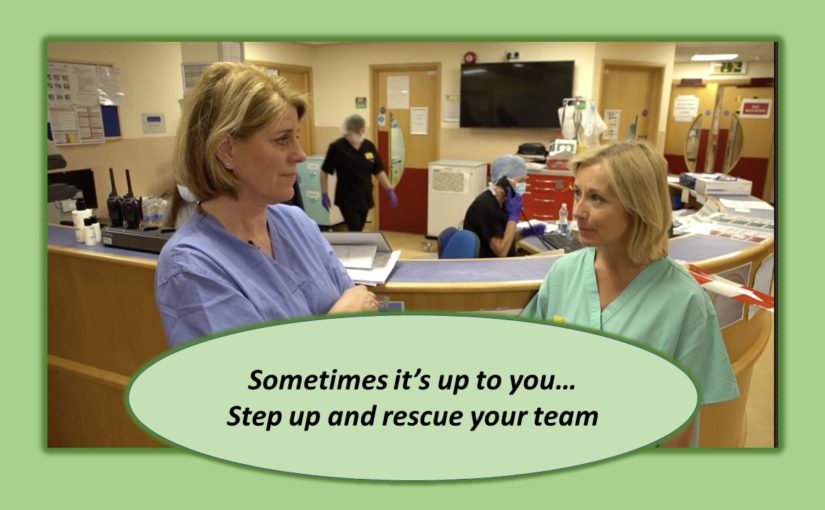
There are many paths to leadership; some people want to be leaders and plan a career progression that positions them for the nod when it is time for a change.  Others become leaders out of necessity when effective leadership is lacking and a team is suffering.  For example, some years ago a group of 47 CRNAs serving a large hospital had a leader who was just putting in time until his scheduled retirement.  Because he didn’t want to make waves, he kept a low profile and simply put the team on autopilot. The boss was disinterested with no goals, the team lacked direction and felt abandoned, morale was low, and recruiting was difficult.  One team member stepped forward. Using a two-pronged approach, he simultaneously assumed responsibility as the lead recruiter for the group while working with colleagues to find ways to make the job more attractive for applicants.   As a result, morale improved, open positions were filled, and the responsive team member was subsequently promoted to the position of Chief CRNA. 

Leadership is important at all levels.  The CEO of an organization takes charge of public relations, interacting with other leaders, and reassuring both the workers and the public that resources are being obtained and the staff is fully prepared to meet the challenge.  The middle manager organizes logistics and brings together unit managers to ensure that staffing is adequate, training is completed, and sufficient supplies are in place.  The frontline leader establishes the mood for the group, sets goals, provides reassurance, facilitates collaboration, communicates the latest updates and protects team members from harm.  A crisis enables an effectual leader to stand out among peers but, unfortunately, while some leaders flourish, others falter. The ones who flourish will appreciate help that is offered by the team. But those who falter will need to be rescued for the sake of both the team members and the patients.  Across the leadership spectrum there is ample opportunity for motivated workers to step up and share a slice of the leadership pie.  

If leadership is lacking, it’s time for you to stand up and be a champion for your team

A workplace champion voluntarily takes an extraordinary interest in a cause, policy or project that will promote the success of the team.  Often, the champion is considered by colleagues to be a go to person on the team; a person with knowledge, expertise and a willingness to help others in need of guidance.  Champions are opinion leaders who are uniquely positioned to influence groupthink and steer the team in one direction or another.  When there is a crisis and the designated boss is unable to provide effective leadership, it is often the team champion who fills the void.  If all eyes turn to you when the chips are down, draw on these behaviors to help you to be a successful non-titled leader.

  • Maintain ties with the boss.  Your goal is to step up, help where needed, and ensure that your team safely weathers the challenge at hand.  It should not be your intention to incite mutiny and create a mini crisis embedded in the larger crisis.  As you see and do what needs to be done, keep your boss in the loop and do not challenge his/her authority.  Rather, focus on what needs to be accomplished, engage your fellow team members to help, and know that others notice and appreciate your efforts.
  • Connect with the chain of command.  If your boss is in total absentia and you are picking up the pieces, make sure that your activity is known and was approved by the next person in the chain of command.  Work often crosses department lines and supervisors must be in the loop as you initiate activities with your team.
  • Be decisive.   As the saying goes, a good plan today is better than the perfect plan tomorrow, so assess the situation and quickly come up with a viable solution. Openly communicate with your colleagues and bring them on board with the plan.
  • Be resilient.  Not everything that is tried will work out as thought out.  Rather than throwing your hands in the air in frustration, take setbacks in stride, re-focus on what you are trying to accomplish and develop a new plan.  If you are filling a leadership void, your team does not need yet a second person to go absent.
  • Be consistent and available.  A crisis, such as the one we are experiencing with COVID,upends workflow and interpersonal relationships leaving workers feeling hopeless.  You may not be able to make the virus go away, but you can bring stability to the group through consistency.  Maintain a visible presence and, where possible, establish and stick to a schedule.  Have a positive attitude and do not allow yourself to make emotional responses when glitches arise.
  • Use emotional intelligence.   People are emotional creatures and often respond and make decisions, good or bad, based on emotions.  Emotional intelligence involves becoming aware of your emotions as well as sensing the emotions of others, and then interacting in a manner that affirms the feelings of the other person.  Saying, “I sense that you are uncomfortable with this plan,” affirms the person’s emotions and opens the door for discussion.  Feeling understood has a calming effect whether you are interacting with a colleague, patient, or family member.     

There’s no end to stories of team members stepping up to the leadership plate during a time of crisis:  When the platoon leader is killed on the battlefield, a sergeant takes command; when the all-star quarterback injures a leg, the backup runs on the field and wins the game; when communication is lost with headquarters during 911, the paramedic takes charge and moves a group of patients to safety; when the ICU nurse steps up and takes charge because her boss is overwhelmed by the COVID crisis and is paralyzed with anxiety, lives are saved.  The workplace is full of heroes who have stepped in to fill the void left by a leader gone AWOL, and you can join their ranks.  Whether absence of leadership is caused by a crisis, a lack of skill, or loss of the leader’s personal motivation or any other reason, you can be the one to carry the flag if the leader flags.

Tom is a skilled anesthetist, published author and frequently requested speaker


Welcome to Club 85

By Thomas Davis, DNAP, MAE, CRNA

Follow @procrnatom on twitter

Preface to Prevention

Claiming over 110,000 lives worldwide, COVID 19 is still dominating the news, and rightly so.  Back in the 1990s when working at the University of Kansas and developing the first distance education program for nurse anesthetists, I could not imagine the of online education 25 years in the future.  While computers keep the education process rolling, they also promote a sedentary lifestyle where a playground game of tag is replaced by video games.  Over time, a lack of physical exercise combined with an excess of calories, salt and fat ushers in coexisting diseases, which require medications, which, in turn, suppress the immune system and make the individual less able to fend off COVID 19 or any other infection. 

Healthcare providers are playing catch up and finally getting a grip on COVID 19 while vowing to be fully prepared for the next pandemic should it ever occur.  Warehouses will be refilled with necessary supplies, and best practice guidelines will be developed.  On a logistic level, we will be prepared for the next pandemic threat, but on a personal level, is your body tuned up to fend off the next viral threat?

Club 85

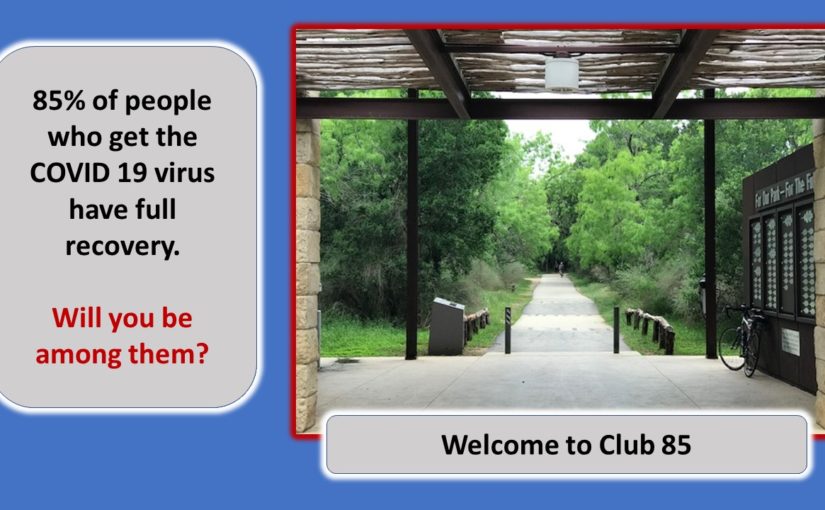
Updated daily, today’s data listed on The Johns Hopkins COVID dashboard indicates that approximately 3.5% succumb to the virus and die.” The percentage of people with full recover is more difficult to to determine, however, whitehouse briefings place the number at 85%. To date, there is no mention of what happens to those who neither fully recover or die.  News reports reveal that the virus has its most deadly effects on the elderly and those with coexisting disease; however, this week’s watchdogs warn not to underestimate the potential deadliness of the virus for killing people at any age.  Conversely, at 104 years, Italian Ada Zanusso proved to the world that a healthy body at any age can beat the virus.  We may not be able to personally establish policies that prepare the nation for the next infectious event, but there are several steps we can take individually to increase the probability that when the next pandemic hits, you and I will be among the 85% with full recovery.

Scientists are working around the clock to develop a vaccine for COVID 19 and individual physicians are trying existing medications “off label” to improve outcome; however, it is the victim’s immune system that often makes the difference between life and death.  Data collected and analyzed by Worldometer affirms the premise that mortality increases as the age and number of co-existing diseases increases with a sharp in crease in the death rate if the individual is age 60 or above.  Co-existing diseases that are linked to increased mortality include cardiac disease, diabetes, chronic respiratory disease, hypertension and cancer.  Those with coexisting disease are most likely to be on medications, and many medications suppress the immune system.

According to an AARP survey 75% of Americans over age 50 are on medications.  Of those who take drugs, 80% are on two medications and 50% are on four or more.  However, one does not need to be over age 50 to have co-existing disease and be on prescription drugs.  These are the 10 most frequently prescribed drugs in America as identified by Becker’s Hospital review, most of which suppress the immune system.

  1. Atorvastatin (Lipitor) suppresses the immune system by inhibiting HMG-CoA
  2. Levothyroxine (Synthroid) does not suppress the immune directly, however, thyroid disease often has an autoimmune component and, therefore, the person may have altered immune function.
  3. Lisinopril (Prinivil, Zestril) lowers vitamin E levels and depletes Zinc which is needed for a healthy immune system.
  4. Gabapentin (Neurontin) suppresses lymphocyte T proliferation and changes cytokine profile release which alters the inflammatory response and inhibits the immune system.
  5. Amlodipine (Norvasc) is known to suppress T cells, mast cells and macrophages.
  6. Hydrocodone/Acetaminophen (Vicodin, Norco) suppresses the activity of NK cells, decreases helpful T-lymphocytes, decreases T-cell function, inhibits B-cell activity and enhances the growth of tumors that may be present.
  7. Amoxicillin (Amoxil) Generally speaking, antibiotics do not weaken the immune system. However, some scientists believe that as organisms develop resistance to antibiotics it leaves the host more susceptible to future disease.
  8. Omeprazole (Prilosec) Proton pump inhibitors do not directly suppress the immune system; however, they alter the intestinal flora which alters the uptake of nutrients and may indirectly affect the immune system.
  9. Metformin (Glucophage) There is no evidence that Metformin weakens the immune system.  However, those taking the drug are pre-diabetic and may have other issues that alter the body’s defense to the virus.
  10. Losartan (Cozar) reduces the white cell count and suppresses T-cell activity.

Like our intentional multi-modal approach to pain control, nine out of ten of the “most frequently prescribed” drugs create the potential for a multi-modal approach to weakening the immune system.  If your prescription drug is not in the top 10, it still may have immunosuppression as a side effect.  Take the time to look it up and become aware.   Is it any wonder that those who are on multiple medications are the least able to fend off COVID 19 or any other infection?  The known threat of a weakened immune system should motivate healthcare workers who are obese, hypertensive or pre-diabetic to regain a fit body and get off the immunosuppressing drugs.  

Connect the dots

Joining the 85% club starts with having a healthy body.  There’s little ROI from buying fire insurance the day after the house burns down, or having good intentions for getting your body into optimal condition to survive the next virus unless you follow through.  Preparation for fending off the next pandemic starts today with a focus on reversing coexisting disease, and reducing/eliminating daily medications that suppress the immune system.   It may sound daunting, but with a few lifestyles changes, you can prepare for prevention.

Preparation for Prevention

Exercise

Your body was meant to move and be active; just look at the non-stop movement of a preschooler.  The high energy of a child slows when he/she becomes an adult and enters the workforce.  The pickup game of hoops morphs into watching videos (while munching high calorie snacks) and over time weight increases and metabolism drops, and the door opens for co-existing disease.  The cure; get up and move.  The Mayo Clinic reports that a combination of aerobic exercise, strength training and flexibility exercises will improve the following conditions: obesity, heart disease, diabetes, asthma, back pain, arthritis, and dementia.  Get outside for a walk or bike ride.  Convert the spare bedroom or empty basement space into a home gym.  Take elastic bands on your walk and anchor them at a light pole for some resistance exercises.  Success comes from commitment to daily exercise and as your weight comes down, you’ll get a boost of energy, you’ll regain self-respect, and be more productive in the other areas of your life.

Nutrition

Millions of dollars are spent every year on sophisticated diet plans to support the latest weight loss gimmick.  Save your money; it’s not difficult to give your body the nutrients that it needs instead of the junk food we’ve been brain-trained to want.  Whatever you put in your shopping cart lands in the larder, so take charge when you shop, and you’ll be in control when you eat.  Harvard Health publishing recommends a diet high in fruit and vegetables for strengthening the immune system and its fight against infection.  EatingWell affirms the Harvard recommendations and notes that a high fiber diet promotes weight loss and cuts the risk of type II diabetes.  Eat lean red meat in moderation and use chicken or fish as primary sources of protein.  You can increase nutrients and fiber by eating a large, colorful salad at least once a day.  The food revolution network advises eating a rainbow of vegetables daily, pointing out that a palette of colors provides the variety of vitamins and trace minerals you require, nutrients that are lacking in prepared and packaged food.  Who needs a multivitamin pill when vitamins come in a salad?

Hydration

Water is essential for cellular function and life itself.  Lucky we are to live at a time when our drinking water is the safest in the history of the world, and it’s delivered to the kitchen faucet at a relatively low cost.  Yet, many people live in a state of relative dehydration that does not allow the body to function at its best.   Explore Health online notes that diabetes, low carb diets, stress, aging and eating too few fruits and vegetables can all contribute to cellular dehydration.  The solution is to put down the coffee mug and pick up the water jug.  Be mindful to limit salt and refined sugar which also dehydrate the body’s cells.  Healthline recommends a minimum of 13, 8oz cups of water per day for men and 9 cups for women to normalize hydration and promote efficient cellular function. 

Sleep

Improving exercise, nutrition and hydration are a good start, but if you are burning the candle at both ends, your body will not be at its best under stress.   Follow the recommendations of sleepfoundation.org, and put yourself on a regular schedule for both bedtime and awakening, and ensure that you get 7-9 hours of sleep.  Plan so that the time leading up to sleep is caffeine and stress free.  Yoga, stretching and meditation are all excellent bridges from the working day to restful sleep.   Value your rest as much as you value your work.

Hindsight provides insight but only proactive planning followed by action will change the outcome the next time we are faced with a market crashing, mind-blowing showstopper like the one created by COVID 19.   For those who are obese, hypertensive or diabetic, now is the time to step up and take action to improve your health and, hopefully, wean yourself from drugs that weaken your immune system.  For those who are disease free but sedentary, now is the time to establish a lifestyle built upon activity, nutrition, hydration and rest to ensure that you stay in club 85.

Final note:   Even with all you may have done personally to boost your immune system via a dedicated healthy lifestyle, and all that you and your employer have done collaboratively to  prevent your being exposed to the next “pandenemy,” it’s possible you may still be diagnosed with COVID 19.  If you should test positive, and you’re girded by excellent health and a strong immune system, I’ll bet my COVID cleaned, best pressed scrubs that you will emerge to become a member of Club 85.

Tom is an experienced leader, author and requested speaker. 

COVID 19; A Call to Leadership

By Thomas Davis, DNAP, MAE, CRNA

Follow @procrnatom on twitter

The Corona virus (COVID 19) has upended the mundane daily routines that seemed “a bore” just a few short weeks ago.   Fear and panic now drive decision-making and trigger bizarre behavior like visiting Walmart at 3:00 am. for bathroom tissue and an overnight reduction in the sale of Corona beer.  With retirement plans decimated, restaurants empty, national parks and beaches closed, everyday life is on hold and the practice of medicine has changed, probably forever.  In a crisis, effective leadership is necessary at all levels in order to defuse the chaos and develop a reasonable approach to combating the deadly enemy.

From my daily personal conversations with friends across the nation, and a regular review of the CRNA social media, here is a snapshot of the frustration that is being reported by the anesthesia community.

  • My academic friend, a program director in Florida, reports that one hospital converted all CRNAs to 1099 employees, sent them home without pay, and told them they would be called when needed.   His education program converted all coursework to an online format and the University pulled students from the clinical area due to lack of protective equipment (PPE).
  • Likewise, the program director at my alma mater in Arizona reports that all classes are now online, and students have been pulled from the clinical area.
  • Despite the downturn in the surgical case load, the VA hospital in the Baltimore area has kept the CRNAs on the payroll by making them available to assist throughout the hospital as needed and to complete education modules.
  • From several CRNA user groups on Facebook, come these reports; a CRNA posts, “For the first time, I have applied for unemployment compensation.”   Another CRNA posts that her facility has shut down for 4 weeks without pay.  From the GI CRNA user group come numerous reports of GI clinic closures around the country; and the few centers that are open report that, like a growing majority of CRNAs who work in hospitals, they do not have adequate protective gear.   Most anesthetists who work in outpatient surgery centers state that they are out of work, with or without pay. 

Leadership is essential

In times of crisis, someone must be at the helm.  Down the road you may not remember the details of the event, but you will remember how the leader handled the problem and how you were treated.  In today’s turbulence some leaders will flounder while others will flourish, earning both trust and respect from their team.  Here are some ways to ensure that you and your team survive the current COVID challenge and walk away even stronger and more cohesive than ever before.

Stay informed.   Every healthcare organization has developed and dispersed policies/procedures to be followed during the COVID epidemic intending to ensure the safety of workers and clients.   Know the rules and follow rules.

The bombardment of COVID information has filled email inboxes with more information/solicitations/finger pointing than most of us can read.  Select a few reliable sources and check them daily for updates.  Recommended sources for information include the CDC COVID web page, the APSF COVID resource center, and the APSF COVID perioperative recommendations.

Over-communicate.  “I can’t get a straight answer out of anybody and I feel as if I’m being deceived.”   People want to know what is happening and if they don’t hear it from you, they will grasp onto every rumor that is circulated.  Show your respect for the team by being consistently forthright and sharing the good news along with the bad.  Crises, i.e. COVID, are usually fluid and your statements may need to be revised as additional information is gathered.  During a time of crisis, start each day with a short face to face briefing (email doesn’t cut it unless everyone has been sent home) providing updates and listening to concerns.  Avoid overreacting to rumors, hose the hype and quickly address any safety issues that are raised by the team. 

Be resilient.  “I just want to hide in a cave until this whole mess is over and things are back to normal.”  We are in uncertain times and resilient leaders embraces the uncertainty while adapting to change.   After finalizing a plan based on what is known, anticipate a government proclamation or local regulation to issue forth and put the total kibosh on it.  That’s the time to keep your cool and adjust your approach based on the new rules, openly communicating to your team both the new plan and the reason for the change.  Don’t fight uncertainty; take pride in your ability to manage whatever comes your way.

Build trust.  “I don’t believe anything that my boss or the company tells me anymore. They don’t have my back and they think only of their bottom line.”  Teams follow leaders they trust and quickly abandon those they don’t.  Make the personal welfare of each team member a priority and listen carefully to issues that affect either their professional or personal lives. Join your team on the frontline, put on your PPE, and show them that you are all in it together.  If work loss or financial hardship is inevitable, take your share along with the team.  Take all safety concerns forward and your team will see that you are not just working for them; you’re working with them.

Focus on safety.  “How can I effectively care for the patient when I don’t have the equipment that I need to protect myself?  What happens when I get the virus?”  In addition to treating patients with life-threatening conditions, team members must know that their personal safety is your priority.   Make sure that every person has received proper training and that PPE is available.  Take a hard stand and do not allow your organization to withhold safety equipment or force your team into hazardous exposure to the virus. 

Delegate and empower.  “There is so much to do and I’m only one person…I need help.” Professional development is an important component of a great job and the COVID crisis is an opportunity to draw on the talent of your team members.  Whether the need be obtaining supplies, keeping records, providing safety training, or creating a reasonable work schedule, you have people on your team who are eager to help.  Establish the criteria and a timeline and then let team members share the administrative burden.   Keep a finger on the pulse and resist the urge to micromanage.

Be sensitive to individual needs.  “School is closed, and my kids are home until I can’t find day care.  The neighbor is looking in but I’m worried…I can’t keep my mind on my work.”  Working their assigned shift is but one component your team member’s busy life.  Everyone has personal needs that affect the way he/she functions on the job.   For many, childcare during school or day care closures is an issue.  For others, obtaining the family’s basic food and supplies is the bigger difficulty.  Be proactive and adjust/stagger work hours to create the time needed to take care of personal needs.

Keep workers whole.    “I was told to stay home and use PTO if I want to get paid.  What happens when the PTO runs out?  What happens to summer vacation?”  In addition to the virus threatening the physical health of individuals, the economic well-being of the country is also suffering.  Shelter in place regulations have closed businesses and put people out of work.  Healthcare is no different as elective surgery has been banned and caseloads have dropped.  As reported previously, many groups simply furlough the CRNAs without pay.  Take up the mantle and fight for your team, making a strong case for your employer to provide at least partial pay while ORs are closed.  Use every resource including PTO, sick time, or unemployment compensation to maintain cash flow to workers.  There may not be cases now, but once the ban on elective surgery is lifted, employers will want CRNAs to be on the job and eager to go.  Don’t make the mistake of throwing them under the bus now and expecting them to be happy to return when called.  Those who sense that they are not being treated fairly may be using furlough time to find other employment.  Do your level best to preserve pay and benefits for your team during mandated down time.

Look at the big picture.    “Our group is so totally focused on the virus that patients with other problems are slipping through the cracks.”  Healthcare workers, our patients, and our families; we are all in this together and will have a common experience to share once the crisis has abated.  Despite the chaos and disruption to business as usual, review the Mission, Vision and Values of your organization and remain true to them.  Most likely, your MVV describes the role that your organization plays in ensuring the health of your community.  Your purpose for existing will remain long after the virus is gone, serving as a beacon to guide you through difficult times.

Prepare for the future.   “We were not prepared, and many workers have been placed at risk.  Let’s make sure we are ready next time, and this never happens again.”  Preparation requires record-keeping. Make your team a part of the solution by keeping a record of glitches as they occur, challenge your team to find creative solutions, and take notes accordingly.  Push for after-action review with other leaders in your organization and develop a comprehensive plan, including an abundant supply of necessary equipment, that positions you to face the next crisis hidden behind enemy lines.

COVID is a crisis without international boundaries.  But it does not need to be a crisis in leadership.  When the dust settles, teams with a strong leader will feel empowered by the experience, minimizing the burn-out and PTSD while shoring up supplies, improving skills and building relationships.  Your “Call to Leadership” in a crisis demands the will to survive and the determination to thrive.

Tom is a skilled anesthetist, published author and frequently requested speaker.

Get wise to the elderly

Get wise to the elderly

Follow@procrnatom on Twitter

“Age should not have its face lifted, but it should rather teach the world to admire wrinkles as the etchings of experience and the firm line of character.”  ~Ralph Perry

Statistics reported by the Population Reference Bureau revealed that in 2016 over 51 million Americans were over the age of 65, and it predicts that the number will increase by over 50% in the next 20 years reaching 78 million by the year 2036.   This precipitously increasing demographic has implications for current healthcare leaders related to how we interact with our customer base and how we prepare our teams to meet the challenges that accompany the aging population.  If there were ever a fertile ground for honing leadership abilities, this is it.  The rapidly expanding elderly population is a veritable gold mine of opportunities for leadership skill development. 

Emotional intelligence

Emotional intelligence remains a buzz word in the human resources/management community. A highly desired skill for leaders at all levels, it has an internal component that requires you to  gain insight about your personal emotional reactions and their effects on others, and an external component that requires the development of social awareness and of skills related to relationship management.  Working with aging patients opens the door for a leader to connect with and gain social awareness about the features that make this population unique.  Learning to relate to one demographic smooths the path and makes it easier to learn about other populations of patients.

Take a sincere interest, ask questions, listen

Older patients are full of amazing stories and will eagerly share if asked.   Expand your listening skills by asking questions and then listening to the stories that emerge.  Your 74-year-old patient who is next in line for cataract surgery may be the one who scored the winning touchdown in the 1970 Rose Bowl; his wife (and designated driver) might have been a flight nurse evacuating casualties from Viet Nam.  You won’t know until or unless you strike up a conversation.  When you have time to chat with boring old people, consider the following:

  • Those now in their 70’s were the students marching for civil rights in the late 60’s and were back in the streets marching for women’s rights in the early 70’s.
  • Senior citizens were born into a world with hard-wired phones and TV sets connected to an antenna on the roof and receiving only 3 channels.
  • Many Seniors remain actively attached to social activism in the form of “volunteer” at hospitals, museums, schools and civic events.
  • Seniors have traveled to your bucket list places and many have interesting hobbies.
  • Those in their 80’s were children during World War II and remember the air raid drills, food rationing, nighttime blackouts and energy conservation.  Some had relatives who did not return from battle. 

Emotional intelligence involves connecting on a personal level and getting to know the other person beyond the information published in their medical records.  Start a chat session by asking your gray-haired patient a general question about events that happened while he/she was a child and be prepared to hear wonderful, perhaps astonishing, stories.  In my daily clinical practice, I regularly discover what is currently important to them by asking, “Tell me something about yourself that is not on your medical record.”  Often, the answer is tied to their personal identity and response you get may take you by complete surprise.  

Establish best practice guidelines based on physiologic changes

Managers typically publish policies and guidelines related to best practice recommendations.  Subsequently, it is incumbent upon leaders to build a team of knowledgeable workers who want to follow the guidelines and deliver the highest quality of care to all age populations, including the elderly.  When working with your team to create best practice protocols, consider these physiologic changes that are common in the elderly.

  • Cardiac   Atherosclerosis is common in the elderly American population and arises from a lifetime of smoking, hypercholesterolemia, hypertension, type 2 diabetes and obesity.  The result is ventricular hypertrophy, with reduced ventricular compliance, contractility and cardiac reserve.  Normal doses of induction drugs take longer to circulate and may produce significant hypotension.
  • Renal   Glomerular filtration is reduced as is the ability to regulate sodium and potassium.  The kidney is less able to concentrate urine and may have difficulty removing free water from the system.   Elderly patients are less tolerant of hyper or hypovolemia. Drugs dependent upon renal clearance have a longer duration of action and smaller doses are required. 
  • Pulmonary.  Like an old rubber band, the lung loses elasticity with age.  Combined with reduced chest wall compliance, one can expect a reduction in FVC, FEV1, and VC as the person’s age increases.  Small airway collapse is common and presents problems with VQ mismatch.  The elderly patient is at a greater risk for atelectasis and impaired diffusion of gases.  Anesthetic techniques that further suppress ventilation put the elderly patient at risk.  Volatile anesthetics require more time to leave the system and should be used sparingly in reduced doses.
  • Nervous system.   Both vision and hearing diminish as the person ages and eye-related procedures are common in this demographic.  Autonomic nervous system dysfunction makes the elderly patient more susceptible to labile blood pressure and postural hypotension.  In addition, thermoregulation is impaired in the elderly patient making him/her more susceptible to hypothermia and less able to mount a physiologic response.
  • Cognitive dysfunction.   Altered mental status is a common fear among the elderly and causes concern for those awaiting anesthesia and surgery.  For many, the fear of mental decline exceeds the fear of death. Slowed drug metabolism/clearance, hypotension, hypothermia, and hypoxemia are all listed as potential causes of POCD.  More recently, neuroscientists have correlated the inflammatory response with cognitive dysfunction.  Attention to detail and strictly keeping the patient within physiologic parameters will reduce the incidence of POCD.  Opioid-free multimodal anesthesia with little or no volatile agent is the technique associated with the least amount of POCD.

Begin with a thorough pre-operative evaluation and then the development of a plan that addresses the specific needs of each patient.  In general, elderly patients do best when the anesthesia provider has a is gentle and provides a slow induction with plenty of time for drugs to circulate.  A regional nerve block with sedation is preferred over general anesthesia, but when general anesthesia is the only option, a propofol based TIVA technique that includes multimodal pain control and anti-inflammatory drugs is the least likely to cause respiratory compromise or cognitive changes.   Opioids and inhalation anesthetics should be avoided if possible, in the elderly patient.

Leadership

Embrace the rich history and learned wisdom of your simultaneously interesting and fragile older patient by tuning in to their special needs.  Conduct meetings with your team to review the physiology of the aging and mentor them to work collaboratively in developing best practice guidelines.  Listen carefully to elder patients and hone your skills at understanding, treating and enjoying the elderly population.   Lead by example and become aware of the fears and concerns, the strengths and the joys that each of your elderly patients brings to the operating room.  Some day you, too, will be older, maybe even wiser. 

Tom is an experienced leader, author and requested speaker. 

Trash talk; politics and other taboo topics for the workplace

By Thomas Davis, DNAP, MAE, CRNA

follow@procrnatom on twitter

We’ve had four years of political bickering and now the 2020 presidential campaign is barreling down the tracks toward the November 3rd finish line.  As interest grows, people on both sides of the political aisle are digging in their heels and waiving the pom-poms for their preferred candidate and party.  While good natured bantering can be fun, people who are relentlessly backing either party can be viewed as hostile and intolerant of others who do not share their point of view.  On the street corner, it’s called freedom of speech but in the workplace, it’s called divisive and can poison the collaboration needed for effective teams to work smoothly and productively.

For example, James and Susan are both competent, highly skilled anesthesia providers who have earned professional respect from the entire peri-operative team.  James is, above all else, anti-Trump and has publicly stated at the nurse’s station that Trump supporters are uneducated, illiterate, and incapable of understanding what is best for the country.  Susan, a strong Trump supporter, swings back stating that she could not have earned her doctorate degree or CRNA certification without being literate and begins to chant, “four more years.”   The tension that they create between themselves daily spills over and is felt by all who witness the frequent hostility.   Along the way, morale drops and the attention of other workers is diverted from patient care.

Writing for The Balance Careers, author Susan Heathfield notes that in a workplace that values diversity, polarizing topics such as religion and politics should stay at home.   Her position is reinforced by a study done by the American Psychological Association which revealed that political talk in the workplace creates stress and reduces team morale.  The APA findings revealed that when political talk was allowed at work:

  • 15% become more cynical.
  • 13% feel less productive.
  • 10% report that their work quality suffers.

Taboo topics in the workplace

Topics that are tied to deep-seated beliefs trigger emotions when the listener’s viewpoint is challenged.  If you work in the field office of the Republican National Committee or are employed by moveon.org, it’s OK to have strong political beliefs at work; however, in the healthcare workplace, trigger topics disrupt collaboration and ultimately affect patient care.  Three topics that are guaranteed to push hot buttons and therefore must be outlawed in the workplace are:

Politics.  Despite claims to the contrary, very few people are truly politically neutral.  Even those who do not vocally and financially back one candidate versus the other have preferences based on family history, education background and personal life experiences.  Starting a debate and presenting logic from an individual point of view it is unlikely to change the other person’s mind and more likely to make the person feel uncomfortable.  As the conversation intensifies, the other person may feel as if he/she is being bullied.  Regardless, heated political discord creates tension and kills trust.  No matter how right you believe your point of view to be, it is wrong to take it with you to work. 

Sex.   The overt discussion of sex related topics is less frequent than politics in most workplaces but is equally likely to create discomfort and distrust within the team.  Verbalizing sexual expectations is classified as harassment and banned under labor laws.  Most organizations require employees to view learning modules that define gender-based harassment and present options for remedy.   Less obvious and equally offensive are the covert comments and innuendos that are subtle and can be denied if the recipient takes offense.   Gender related comments based on stereotypes fall under the category of sex associated taboo topics.   As operating room workers, we view male and female body parts of all sizes and shapes on a regular basis.  Openly discussing sex-related body parts in the lounge not only violates patient privacy, it creates anxiety in those who prefer to talk about other things.

Religion.  We are Americans and we live in a diverse nation that values religious freedom.  Those with strong religious beliefs will defend the dogma to their death and have the right to do so if it does not interfere with the rights of those who believe differently or not at all.  Follow your faith but make sure you keep it out of the workplace.  Espousing your religion or denigrating the beliefs of others can be viewed as bullying and kill collaboration in the workplace.  

How to dodge taboo topics

The key to eliminating taboo topics from the workplace is to first set standards and then follow with boundaries.  Make rules for yourself to ban participation in the discussion of hot topics and hold yourself accountable without exception.   Once done, apply the standards to others and take steps to squash taboo topics in your workplace.  Here are some tips:

Value collaboration.  Above your personal beliefs or political affiliations, value civility and collaboration at your workplace.  Practice emotional intelligence and consider how your comments will be received by others.  Accept that others on the team may have different opinions and be respectful of the diversity that they bring to the team.  Focus on building trust rather than spreading political dogma.

Know the rules.  Most companies have rules related to bullying and sexual harassment.  Being forceful when verbalizing personal views may be perceived as undue coercion and set you up for a reprimand.  At the very least, your rant most likely will not align with the values of the organization.

Avoid hot topics.   The big three topics to be avoided are politics, sex and religion.  Consciously draw a line and do not allow yourself to be drawn into conversations related to those topics.  It’s OK to say, “yes, I have an opinion, but I also have an obligation to keep it to myself while on the job.”
Be civil.  Civility is a key ingredient for effective teamwork.  Taking others out of their comfort zone by insulting the intelligence of those with opposing views is a sure way to create tension and kill productivity in the workplace. 

Be mindful of social media.  Without question, the first amendment gives you the right to freedom of speech.  Be mindful that others in your workplace may see the comments that you post on social media.  Even if you keep quiet at work, polarized rants on social media that are read by your colleagues will create a rift that affects how they interact with you at work.

Just walk away.  Sometimes you are caught off guard when confronted by a person who demands that you see things his/her way.   Regardless of the choice that you make, hoping on the bandwagon or confronting the person with an opposing belief, you will diminish yourself in the eyes of others if you jump in the fray.  Don’t allow yourself to be drawn into the conversation.  When someone starts to rant, check your watch, say you have a deadline, and move on.

The passion of politics will continue to grow and extend well beyond the November election.  Both parties will try to convince you that American will not continue to exist if the other party is elected. (haven’t we heard that before?)   Issues come and go but your job and your colleagues will remain.  It’s up to you to take the high ground and value teamwork above politics.  Set a high standard and establish boundaries that keep politics out of the workplace.

Tom is an experienced leader, author and requested speaker. 

2019 Best Airline ranking; Lessons for ambulatory surgery centers

By Thomas Davis, DNAP, MAE, CRNA

Follow @procrnatom on twitter


Four decades ago, I was a neophyte embarking on the challenge of learning to safely administer anesthesia, earn certification, and become a productive member of the profession.   I recall being told several times that delivering anesthesia is like flying a plane; chaotic and high risk at takeoff and landing with hours of boredom in between.


Throughout the span of my career, other analogies have compared aviation to anesthesia.  For example, as the patient safety movement gained momentum, John Nance’s book, Why hospitals should fly: The ultimate flight plan to patient safety, took the principles that vastly improved airline safety and applied them to healthcare.  The book made a strong case for collaborative teamwork in the operating room to match that required of the flight crew in the cockpit.


An article by Scott McCartney published in the Wall Street Journal on January 15, 2020 ranked US airlines from the perspective of customer satisfaction.  At the top of the list was Delta Airlines with a spectacular on-time record, few flight cancellations, low incidence of bumping customers and efficient baggage handling.   Following closely were Alaska and Southwest with American Airlines at the bottom of the list of 9 companies vying for riders.


As an airline passenger, the article caught my eye and reading it triggered me to consider parallels between aviation and healthcare in terms of customer satisfaction.   Re-reading the article, I noted the criteria used to separate the wheat from the chaff.  Below are the standards that were used to rank the air carriers and thoughts on how they would manifest if applied to the healthcare setting.

  • On time arrivals. When buying a ticket, passengers are given a specific time for the anticipated arrival at the destination.  Likewise, when patients are scheduled for surgery, they are given a specific time to arrive the day of surgery as well as a time for the procedure to begin.  Like travelers, patients have arranged to be dropped off and picked up based on the timeline that they were given to them prior to surgery.  For the patient to have an on-time arrival, equipment, personnel and documentation must all be in place prior to the patient’s arrival.  Once the patient has arrived, every effort must be made to keep the person informed and move him/her through the system as flawlessly as possible. Those receiving care in outpatient surgery centers must be ready to depart at the predicted time.
  • Cancelled flights. Airline flights are not cancelled on a whim, but rather only when the system breaks down and it is not safe to proceed.  Broken planes are grounded, and crew rest mandates are strictly enforced.  In healthcare, cancelled surgery is the outward manifestation of a defective system.  Broken equipment, inadequate pre-op workup, and failure to follow NPO guidelines are common causes for cancellation of surgery.  On rare occasions, a conflict in the surgeon’s schedule may lead to cancellation.  Regardless, proactively improving communication with both suppliers and patients will reduce the incidence of cancelled cases.  Equipment requirements must be anticipated, and patients must be informed regarding pre-op expectations.
  • Extreme delays. Being left to sit for hours (or days) in the waiting area of the airport can be as bad or worse than having a flight cancel.  Weather, maintenance or crew rest may delay a flight; however, in healthcare unrealistic scheduling is a common culprit for delays.  Overbooking creates unrealistic expectations and ensures that patients will experience delays.   Procedures must be scheduled based on historical time averages rather than best case scenarios.
  • Mishandled baggage. I remember many years ago when a disgruntled friend had a bad experience with Delta Airlines and said, “Delta stands for don’t expect luggage to arrive.”  They have come a long way and are now at the top of the industry when it comes to baggage handling.   In healthcare, patient belongings are as important as the airline traveler’s bags.  When you lose a pair of glasses or hearing aid and the patient will tell the story for the next 10 years.  In addition, the patient’s driver or family can be considered baggage that deserves to be handled respectfully.  Provide a comfortable waiting area and offer frequent updates to show your regard for their tie to the patient.
  • Bumping.  There is nothing worse than buying the ticket, arriving on time at the airport, surviving the security check and then being told that your seat was given to another person.  The plane takes off, but you are not on it.   In healthcare, emergencies arise and sometimes the surgeon is not available to do the case.  All effort should be made to keep commitments and make reasonable accommodation where needed.  Scheduled cases should not be cancelled at the last minute to accommodate short notice vacation.  A case cancelled because of lack of equipment represents a total breakdown in the system.
  • Complaints.  In both the airline and healthcare industries complaints come with the territory.  Having a smoothly functioning system and engaged, customer-oriented employees will reduce but not eliminate complaints.  The question is not whether complaints will be lodged but rather how you react to them.   Client centered organizations will welcome complaints as a source of insight that will lead to improved service in the future.  Lesser organizations will simply track numbers and learn nothing about their failures in delivering the promised service.


Earning a top rating for customer service requires employees at all levels to be fully engaged in their work and be committed to creating a positive experience for the client.   Although cause and effect have not been claimed, Scott McCartney noted that while being rated 2019, American Airlines was in contract negotiation with maintenance and baggage workers.  It was implied that employees were not fully engaged in their job and that worker sabotage was tied to the low satisfaction scores.


Customer satisfaction is driven by the front line, not by the front office.   The Board of Directors can build a solid corporate structure, but the passenger/patient remembers the attitude of those they encounter during the journey and whether promises were kept.  Delta’s number one ranking was no fluke and employees at all levels worked diligently to provide the promised service and deliver it with a positive friendly demeanor.   When the rankings were announced, Delta executives were pleased; however, rather than taking personal credit, the Board of Directors showed appreciation for their workers and posted the following: “There’s no higher honor for Delta when our employees are recognized for the work that they do to take care of our customers.”    Clearly, passengers can expect a smooth ride on Delta Airlines.


Tom is an experienced leader, author and requested speaker. 

John-the-Boss and the Bag of Tricks

By Thomas Davis, DNAP, MAE, CRNA

Follow @procrnatom on twitter


I can still vividly remember the day early in my Air Force anesthesia career when Lt. Col. John- The-Boss enthusiastically entered the workroom where our team was setting up the day’s equipment. Like a kid with a new toy, John had excitement written all over his face, wearing a grin indicated that he had something for show-and-tell.  John announced that he had discovered and purchased a tool that would increase our productivity by ensuring that every open project would quickly be brought to completion.  He had our attention and we insisted that he show us the contents of his bag.  John opened the bag and dumped ten round, 4-inch petri dishes on the worktable and then handed one to each person.  With one eyebrow raised and one lip curled, we each opened a glass container and discovered a label inside that said, TUIT.  Ignoring our chuckles and groans, John continued by going down the list of unfinished projects that had been started with good intentions and put on hold until someone got a round tuit.


Ideas flow freely from a creative group and projects that are started with the best of intentions often die from lack of follow through.   The implications arising from procrastination are even greater when it is the leader who fails to follow-through because not only is there a loss of productivity, the leader’s integrity is compromised.  Lack of follow through on commitments is demoralizing, destroys trust, and fragments the team.


“Be impeccable with your words and speak with integrity. Say only what you mean…”

 ~ Don Miguel Ruiz


Observing for follow through on a commitment is an overt way to measure the personal reliability of another person.  Here are two examples, one negative and one positive.


One of my friends has a son is in his early 20s and very talented at wood working.  He can flawlessly design and build cabinets, dressers and chairs.  He is a bright young man and has many creative ideas for developing a business that includes opening a woodworking shop, hiring help and marketing furniture throughout his region of the state.  Unfortunately, to date, he hasn’t done much about it.  He has not consistently followed up on many of his promises to customers, nor on any of his own ideas.  The business isn’t thriving and he lives hand to mouth while telling others about his dreams for dominating the furniture market.


Conversely, a second friend, and professional colleague, is always available and eager to share ideas when either of us is working on a project.  When we brain-storm, he freely shares his ideas and often says, “I’ll send that information to you.”  Without exception, he follows through within 24 hours on whatever he promises, sometimes sending a document before we even finish the call. In the past three decades, he has never failed to follow-up when he promises action.   To his credit, he quickly says no if he cannot accommodate a request. Yes or no, I have the utmost respect for his honesty and reliability.


Following through with commitments is a habit that will elevate your status as a leader, develop self-respect while earning respect from others, and contribute to the overall morale of your team.  Here are some tips for aligning your action with your words.


  • Define the ask. Requests come in many forms throughout the workday; an email message asking you to update a database, a request for information for the annual report, a need for you to champion a project, a personal request from a team member in need of schedule considerations.  Before giving the quick knee-jerk “yes” response, catch your breath and clarify what is being asked of you.  A database update could be a 5-minute quick click or a 3-day deep dive into archived data files.   A schedule consideration could be an easy accommodation, or it could leave a shift unstaffed and demoralize the team.   Because you intend to follow through to completion, it is essential to define what is being asked and the effect it will have on other work that will be set aside when you tackle the new commitment.
  • Make yes mean yes. As previously stated, integrity requires alignment of your words and actions, and you can only have integrity if you follow through on commitments.   After clarifying the ask, assess your resources, including your available time, and make a reasonable decision about accepting the request.   You will gain respect with an honest “no” and conversely, you will lose respect with a false “yes.”  When you say yes, be prepared to explain when and how the issue will be completed because yes without a plan really means no.
  • Commit with decisive language. Your inner dialogue has a powerful effect on your motivation to follow through. Saying “that’s a good idea” or “yes, we should do that” are not calls to action.  Using words such as can and will are more powerful and indicate a commitment on your part.  Think in terms of “we will do this and here is how we will approach it.”
  • Resolve small things immediately. My high-integrity friend with instant follow-up is the role model I use when the ask is small and easily resolved.   If the resources are at hand and the item can be resolved immediately, do it now.  If your resources are in the office or at home, make it the first thing you do when you get to the location.  From personal experience, I can affirm that I have never awakened in the night thinking about promises that were kept quickly; it’s the unkept promises that keep the stress hormones circulating and disrupt sleep.
  • Establish a timeline on your calendar. The workplace can be crazy and chaotic so it is important to write down your commitments lest you forget.  If a project extends over time, make sure that each of the milestones is on your calendar and that you achieve them.  Calendar and planner apps, readily available for mobile devices, are a good place to enter your commitments.   In addition to the target date for completion, schedule the app to send reminders at intervals to hold yourself accountable.
  • Find a mentor. A mentor is a valuable resource person who will help you develop your plan, identify resources, and keep you on track.  In addition to tapping into the expertise of a mentor, check in at intervals and update the mentor on your progress.  Share your timeline and encourage the mentor to hold you accountable for your commitment.  It’s much easier to make yes mean yes when someone is sitting on your shoulder and offering encouragement.


“What you do cries out so loudly that I can’t hear what you say”


Lt. Colonel John-The-Boss and The Bag of Tricks is a funny but true story with an elementary lesson about reliability.  And reliability is no joke.  Reliability is just as important as ability and a person of action motivated by integrity always follows through with commitments.  Consistent follow-through directly affects productivity and establishes a positive view of your personal ethics among co-workers, which in turn, opens the door to trusting relationships. High morale, elevated productivity, cohesive team, respect, trust.  Maybe we should all get a round tuit.


Tom is a skilled anesthetist, published author and frequently requested speaker.

The Future of Healthare: 2020 and beyond


By Thomas Davis, DNAP, MAE, CRNA

Follow @procrnatom on twitter

Crafty clairvoyants claiming 2020 vision, can’t wait for the New Year to arrive so they can capture the spotlight and publish their predictions.   However, history reveals that although forecasts from the know-it-all pundits may have sounded logical, many predictions completely missed the mark.  For example:


  • In 1876 Western Union Telegraph stated that the telephone had too many flaws and zero inherent value, LOL.
  • In 1954 radio host, Eddie Bond, advised Elvis to keep his day job, predicting the soon-to-be-heartthrob would never make it as a singer. And eight years later, Decca Records opted not to offer the Beatles a recording contract, publicly predicting that guitar music was on the way out and Beatle music would never sell.
  • 50 years ago, when Neil Armstrong took the first steps on the moon, prognosticators said that within 50 years we would have a colony on the moon and that shuttles would take vacationers back and forth. I enthusiastically bought into that concept but have yet to receive my boarding pass.
  • Again in 1954The National Cancer Institute stated that even if excessive smoking played a role in lung cancer, it was only a minor role.
  • In 1988, Dr. Thomas Neff proposed that the newest medical technology – pulse oximetry – would be considered as a basic vital sign along with blood pressure, pulse and respirations. The experts of the day predicted that within 5 years pulse oximetry would eliminate hypoxic brain injury yet, today hypoxic brain injury continues to be a cause of anesthesia related death.


Predicting the future is not a foolish pastime; visionary leaders keep a step ahead of the competition by looking over the horizon.  That said, the future is seen through the lens of today which distorts the view of the world that is yet to exist.   Prognosticators use current trends to create a logical foundation which guides the predictions of the world’s wizards, whom I am about to join.


In the spirit of full disclosure, I do not possess psychic abilities, nor have I won awards for my spot-on insight into the future.  Rather, I have spent the past several years working full time providing anesthesia, reading professional literature, publishing, speaking and observing trends in healthcare delivery.   Based on emerging technology and current trends, here is what I see when I read the Crystal Ball.


Artificial intelligence    Simply put, artificial intelligence (AI) is the use of computer systems to perform tasks normally performed by humans such as visual perception, speech recognition and decision-making.  Computers are being trained to read X-rays better than a radiologist and to read tissue slides better than a pathologist.  The Johns Hopkins has developed and deployed the TREWS system that utilizes AI to detect early signs of sepsis in ICU patients, and other organizations are developing complex AI programs that allow the computer to take a deep dive into medical records and identify trends that predict future healthcare needs for individual patients.   Writing for builtin.com, author Sam Daley gives 32 examples of current uses of AI in healthcare.   Tom’s Crystal Ball reveals an expansion of AI to include computerized a pre-op record review for each patient followed by a prescription for the ideal anesthetic to include choice of anesthetic technique and ventilator settings.


Robots    Machines that can replicate certain human functions are referred to as robots.  Factory assembly lines currently use robotic arms to accomplish tasks previously done by human appendage.  The push for automation is extending beyond the factory and managers are actively identifying human functions that can be replaced by machines.   Currently, a robot called TUG is being introduced into the hospital environment.  The TUG device uses programmed maps and complex lasers to navigate its way through the hospital, delivering food and supplies where needed.  Tom’s CB believes that within 5 years, self-directed delivery carts will be commonplace in hospitals.   Indeed, large organizations with multiple buildings covering a medical campus will employ driverless vehicles to transport patients from the parking area to their designated appointment.


Pharmacogenetics   The use of the patient’s individual genetic profile to predict their response to drug therapy is termed pharmacogenetics.   For example, anesthesia lore includes the belief that those with red hair require higher doses of anesthesia.  Pharmacogenetics has confirmed that notion and identified the actual genetic cause for the increased anesthetic requirement in red heads.  TCB shows an expansion of pharmacogenetics that includes obtaining cells via a cheek swab on all pre-op patients.  The cells will then be given to AI to determine the patient’s genetic profile and the appropriate prescription for anesthesia will be generated; based on the person’s DNA profile, specific drugs, doses and re-dose intervals will be recommended.


Disease targeted anesthesia care   The protocol for early recovery following bowel surgery and the trend for opioid sparing anesthesia technique has shattered the historic one size fits all approach to anesthesia care.  Tom’s Crystal Ball reveals an expansion of anesthesia techniques designed to address patients with specific risks.  For example, anesthesia techniques to reduce recurrence of cancer and protocols to reduce the risk of post-operative cognitive dysfunction are two areas currently being developed.  Over the next few years, additional medical conditions will be targeted for the development of disease specific anesthesia protocols and AI will be used to connect the dots and ensure that every patient receives the best possible combination of drugs.


There you have it.  My predictions may prove to be spot-on, or they may result in a disappointing mis-read of the tea leaves.  Robots and AI may join the moon colony in the junk pile of bad predictions, or they may usher in the future generation of healthcare.  But regardless, I think we can all safely predict that Beatle Mania is here to stay.


Tom is an experienced leader, author and requested speaker. 

What the patient wants

By Thomas Davis, DNAP, MAE, CRNA

Recently we were discussing patient satisfaction at the desk in the pre-op area.  One of the physicians noted that patients assume they will receive top-notch medical care, so the care itself is not notable.  What the patient does remember, he suggested, is their impression of the facility, the workflow process and whether they were respected as individuals. 

My colleague’s comments triggered personal memories of a recent encounter with the healthcare system.  Last year I accompanied my wife to a medical appointment.  The waiting room was filled with heavily worn furniture, magazines were scattered on empty chairs and there was a generally unkempt appearance.  We were moved to an exam room that appeared to need more than a good cleaning.  When the physician arrived, she did a quick assessment and ended the appointment by dictating a plan that did not work for us.  As you can imagine, all the way home we talked about the importance of patient satisfaction.  Having had a negative experience, my wife did not follow-up with their organization nor solicit contact with the physician again.

Because “overall experience of the patient” has become a meaningful component of quality care that is demanded by those who pay the healthcare bill, simple conformance with regulations and standards is no longer enough.  Elevating patient satisfaction, while simultaneously dealing with shrinking healthcare budgets, requires payors to insist that medical providers deliver state of the art treatments that will be remembered positively.

The Center for Medicare and Medicaid Services (CMS) has reinforced this idea by implementing the Hospital Consumer Assessment of Healthcare Providers and Systems (H-CAPS) which ties reimbursement to patient satisfaction.  Simply put, full reimbursement for healthcare services is being tied to the overall patient experience and his/her level of satisfaction with both the individual healthcare provider and the organization offering the care. 

Improve patient satisfaction scores

Moving from the obsolete mindset of “doctor knows best” to the new paradigm of “shared decision-making,” in which doctors and patients work as a collaborative team, requires that healthcare providers learn what patients really want and then commit to meeting their expectations.   Learning about the preferences of the patient requires observing, questioning and listening during every patient encounter.  Discovered through discussions with patients and a review of literature related to client satisfaction, here are a few ways to improve your patient’s overall experience.

  • Patients want to feel respected.  The red-carpet treatment is not necessary but common courtesy is essential. Timetables that are designed to run behind schedule do not respect or value the commitment made by the patient who arranged child care, hasn’t eaten since midnight, has provided the requisite driver and arrived on time. When patients follow the rules and do as told, they expect to receive care as promised.   Likewise, a one size fits all approach to prescribing patient care does not respect the individual needs of each client.
  • Patients want information conveyed in a manner that they can understand.  We work in an environment that has its own language and acronyms.  Terms that are common to us are foreign to many of our patients.  I recently overheard a patient interview.  Nurse: Do you have A-fib?  Patient:  What’s that?  Nurse:  Do you have GERD?  Patient:  What’s that?   Nurse:  Do you take ACE inhibitors?  Patient:  What are those?  Always communicate on the level of the listener and ask follow-on questions to ensure that the person fully understands you.
  • Patients want open communication with every provider.   Hospitalized patients see their doctor once or twice a day and then spend the other 23 hours with nurses and assistants.   Patients expect and need honest, transparent answers from the nursing staff.  The cop-out reply, “Ask your doctor,” is a sure-fire way to kill trust between the patient and the nursing staff and is a trigger for dissatisfaction.
  • Patients want the staff to be collaborative with one another.  Disagreements between staff in a location where patients can observe and overhear must be taboo in the workplace.  Discord between staff members creates anxiety in the patient population and kills satisfaction scores.  When conflicts arise, make sure that they are discussed privately and behind closed doors.
  • Patients want to be included in the decision-making.  The best-practice treatment plan is one that is described rather than prescribed.  The patient must know what is recommended and why; only then are the patient and provider positioned to agree on a plan to provide the recommended treatment in a manner that affirms the patient and his/her family.
  • Patients want a response to concerns and complaints.   Receiving healthcare can spark anxiety in an otherwise intelligent and relaxed individual.  A glitch that’s the size of a pebble to the worker can be viewed as a boulder to the patient.  When a patient expresses concern, listen attentively, immediately fix what you can and follow-up on items that require additional resources.  Leaving the patient with the impression that he/she was not heard will elevate anxiety and increase dissatisfaction.

Assessing patient satisfaction

Your organization sends a survey to every patient and your workgroup consistently scores above the benchmark of 90%.  Does that mean everything is OK? 

Conducting an ongoing survey is an accepted way to gather information and is required in order to obtain full reimbursement under the H-CAPS system.  Surveys are necessary; however, those who truly seek to improve the patient’s experience constantly dig deeper in search of concerns that may not be exposed by the survey.  Rather than boasting about achieving 90% or 92% on the satisfaction survey, focus additional attention on the 8% who were not satisfied.  Seek common themes that generally fuel dissatisfaction such as lack of privacy or excessive wait times and then solicit patients to suggest ways to address the issues. 

The best way to learn about the weaknesses in your system is through the eyes of those who use it.

After working for a year as an anesthesia provider at a busy GI center, it was my turn to be on the receiving end of a colonoscopy.   Wanting to have the same experience as any other patient, I kept things low-key, and it turned out to be an eye-opener.  After following completing a bowel prep and arriving on time, I sat in the waiting room a full hour past my scheduled time.  The room had nice furniture and a TV; however, the room temperature was so cold that I entered the pre-op area shivering.  Despite receiving top-notch care, I felt as if I was on an assembly line and that neither my time nor comfort mattered.   Based on my feedback, the temperature in the waiting area was adjusted.  However, the manager was not brave enough to tackle the sticky issue of intentional overbooking.  In the end, overbooking was not addressed and excessive waiting times continued to be the top complaint expressed by patients at that center. 

The key to improving the overall experience for the patient and family is to engage them in a non-threatening discussion.   Asking pointed questions puts people on the defensive and seldom generates useful information.   Instead, first engage in a friendly conversation and then ask open- ended questions about their experience.   Rather than asking, “What do we need to do in order to improve?” ask, “If your friends were coming for this procedure, what advice would you give them?”   Instead of, “Where did we fail?” ask, “What was your greatest surprise while in our care?”  Finally, ask the patient, “In retrospect, what do you wish that you (or we) had done differently?”   Ice the cake by asking the patient to identify one or two people on the staff who made a positive impact on their experience, and to follow-up by describing the behaviors that made the worker outstanding.

Patient satisfaction IS notable; and it’s not difficult to achieve.  Design a system that values the patient’s time, one that recognizes the patient’s anxiety, that openly communicates information, that develops a collaborative treatment plan and solicits suggestions for improvement; then your satisfaction scores will take care of themselves.

Creating Culture

By Thomas Davis, DNAP, MAE, CRNA

Follow @procrnatom on twitter

My 21-year-old grandson recently joined me for a day of painting the walls in the basement of my home.  He is a gifted artist who works in a print shop and creates original artwork that is printed on clothing and marketed to specific demographics.   Because of his talent and ability to connect with clients and print shop staff, he is taking over as the manager and is on track to become the owner of the business.  While painting walls (and resisting the urge to feature Captain America), he told me that his primary objective was to create a print shop in which people want to work and where clients want to hang out and spend time.  Without using the word, he described an inclusive and empowering culture in which employees willingly give their all and where clients enjoy their relationship with the business.  He is convinced that a positive relationship with employees and clients will help generate income and a thriving business. His concept of culture is spot on.

“Corporate culture is the only sustainable competitive advantage that is completely within the control of the entrepreneur.  Develop a strong corporate culture first and foremost.” ~David Cummings, Entrepreneur, Atlanta GA

Wikipedia defines organizational culture as “values and behaviors that contribute to the unique social and psychological environment of a business.”  This cultural lay of the land “influences the way people interact, the context within which knowledge is created, the resistance toward change and, ultimately, the way in which they do or do not share knowledge.”  

Whether the work environment is in business, academia or healthcare, organizational culture is the key ingredient that either binds or destroys an organization.  A review of literature related to the importance of a strong and positive organizational culture revealed several common themes.

  • Positive culture attracts the best talent. A knowledgeable applicant will come to the job interview armed with questions to assess the culture of the organization.  Employers who are articulate and give examples of how the workplace is empowering will attract fully committed and loyal people to join the team.        
  • Positive culture improves engagement and retention. Replacing disgruntled employees has a negative effect on both team morale and the bottom line on the financial page.  Developing a culture that empowers workers will improve productivity, improve customer satisfaction and augment profits.
  • Positive culture fosters happiness and job satisfaction. Employee satisfaction research affirms that organizations with a positive culture score the highest on loyalty and satisfaction surveys.  Those working in a workplace with a positive culture tend to remain on the job even when nearby competitors offer better pay and benefits. 
  • Positive culture reduces stress. A positive culture creates a sense of community where people know what is expected and can count on colleagues to have their back.  The ensuing team mentality gives a sense of security and lessens the risk for individual failure on a project.

My grandson is very insightful by placing his primary focus on establishing a positive workplace culture.  His youthful energy and enthusiasm for success will give momentum to move his philosophy in the right direction.  No doubt as he takes over as the manager and implements his plan, many of the following actions will be used to animate his vision.

  • Promote employee wellness. Business moves at the speed of relationships and clicking on a personal level is essential for building a lasting network of colleagues and customers.  Take a personal interest in the mental and physical wellness of each employee.  Encourage personal fitness and support those who want (need) to lose weight or quit smoking.  Plan group activities like hiking or cycling to combine fitness with team building.  Whatever you choose, make it fun.  For workers on the job, make sure that the workload is reasonable and that those who work extra hours to complete urgent projects are compensated with recovery time.
  • Provide meaning to the work that is done. Creating a sense that the work is important beyond the task at hand gives workers a sense of pride and builds a relationship with those who benefit from their work.  My grandson must let his employees know that they are not just printing, selling and shipping items to a client; they are providing an important product that will contribute to the success of the client’s business.  In the process, fulfilling each order in a timely manner will create trust and loyalty with the customer base. Trust and loyalty will create return clients and referrals. In healthcare we are not just performing a medical procedure; we are influencing and contributing to the health and welfare of the patient while earning the trust of the primary physician.
  • Create goals. While painting, my grandson was a chatterbox describing his goals for creating new designs, marketing, and production of products.  As a leader, he will regularly share his goals and work with his team of employees to achieve them.  Likewise, an engaged and innovative healthcare leader will move beyond streamlining today’s task and establish comprehensive goals that elevate the practice and better serve clients.
  • Set a positive tone. The leader sets the tone for the workplace and others reset their attitude accordingly.  How you act, react and interact with others establishes the norm for the expected behavior of the workers.  Be positive and let your attitude go viral through your team and the entire workplace.    
  • Nurture connections. One aspect of a highly desirable job is that individuals feel linked to one another and to the organization.   What may look like coffee talk to you may be two individuals bonding on a personal level and establishing a relationship that will lead to a highly productive synergy of effort.  Likewise, casual chatter with a client is the first step to a relationship that promotes a loyal customer base. 
  • Listen attentively. In a positive workplace culture, employees at every level of the chain of command feel as if their ideas are heard and respected.  Never blow off someone who wants to tell you something that is important to them; listen with the intent of understanding the message that is being sent.  To fully engage, move beyond being defensive while listening and instead of arguing with the speaker, ask questions until you fully understand what they are saying and why it is important.
  • Empower champions. Workplace champions are those who voluntarily grasp onto something that will improve the group and then work relentlessly until changes are made. When a worker has a creative, doable idea, put the person in charge and encourage others to support the initiative.  Encouraging a champion will improve and the loyalty of the person you empower and will support your goal of creating a positive workplace culture. 

Every team and workplace has its own unique personality.  Some workplace cultures are intentionally developed through the foresight and efforts of a leader, whereas others morph by default based on the whims of the most vocal team members.  Successfully creating a positive workplace culture begins with visualizing the desired outcome, hiring only those who share your vision, being a role model for the desired behavior, taking a personal interest in each team member, giving importance to the work and having zero tolerance for those who detract from the goal.  If my grandson remains true to his vision, there’s a good chance he will develop a dynamic business in which his employees and clients all feel welcome and well-served – a business they trust and a place they look forward to spending their time and dime.

Contact tom@procrna.com to book a speaking engagement.

Encore Symposium: Sedona 2019

post card 1

Meeting Date: November 4-7, 2019

Meeting location:  Hilton resort, Bell mountain, Sedona, AZ

Meeting sponsor: Encore Symposiums

Strengths of the meeting: 

Person #1  Very informative and I really liked the speakers.  Encore staff was very pleasant and helpful.  I would really recommend Encore for future CME.  Sedona was the perfect site; I really liked the outdoor activity and the perfect weather.

Person #2  Great location with lots of activities and perfect weather.  The speakers were top notch and presented a variety of topics.  The information from this meeting will help my case management and has also given me ideas for improving teamwork in our anesthesia group.
Person #3 regarding the CPC review:  I did the CPC Review and the Sedona Red Rock & Grand Canyon Program November 2-7. Sedona is an absolutely beautiful location for a fall conference. While I was there the weather was perfect….blue skies, upper 70’s. The Hilton Resort Sedona at Bell Rock is a beautiful and well kept resort. The Hilton staff were very helpful and accommodating. The meeting rooms were comfortable and spacious. Encore Symposiums provided a delicious breakfast with many choices each morning. The night before the seminars started there was a stargazing welcome reception. It was wonderful to have time to socialize with other CRNAs and their spouses. Nancy and her staff at Encore provide a professional and well run Symposium!!! The the topics were applicable and informative. The speakers were very knowledgable, friendly, approachable, interactive and presented their topics clearly. The CPC review was a well thought out review. Yes, I knew the majority of the information presented, but it never hurts to review the anesthesia information with the CPC examination happening in the next few years. I am looking forward to my next Encore Symposium Program!


Suggestions for improvement: 

Person #1  none

Person #2  I don’t have any suggestions for the meeting itself because it was excellent.  At a place like sedona I suggest offering a group hike or bike ride in the afternoon for those who are interested.

Value for the money:  

Person #1  excellent

Person #2  excellent

Workplace champions

champion post

By Thomas Davis, DNAP, MAE, CRNA

Follow @procrnatom on twitter

On the sports field, the champion walks away with the trophy; in the workplace, the champion scores high points for being the catalyst that converts an idea into the modus operandi.   When introducing a new protocol or implementing a policy change, having a champion who is all in for the change and works with personal passion can make the difference between success and failure.   The person who champions a cause is not always the designated leader, rather, he/she is a person who has a deep belief that the change is both necessary and possible to achieve.  In contrast, a change agent is a person hired to implement a new policy and often lacks the internal drive and commitment that is found in a champion.

Workplace Champion; a person who voluntarily takes extraordinary interest in the adoption, implementation and success of a cause, policy, project or product.  The person will force the idea through entrenched internal resistance and will evangelize it throughout the organization.

~businessdictionary.com

Speaking on the topic of implementing an opioid sparing anesthetic technique, Dr. Gary Brydges, former president of the AANA was asked what to do when resistance to change came from within the workgroup.  First among his recommendations was assuming the role of champion and then locating and teaming with a surgeon champion and a nurse champion.  Then, move forward as a team of champions to educate all stakeholders about the necessity for and the benefits of the change.

During my tenure as Chief CRNA at The Johns Hopkins, I witnessed first-hand the wisdom of Dr. Brydges’ recommendation to engage champions who are committed to implementing change.   The institution was entrusted to develop and implement an early recovery protocol for patients receiving bowel surgery; a plan that required a radical change to the usual perioperative flow, including the anesthetic technique.   To move the strategy forward, champions, including an anesthesiologist and a nurse anesthetist, joined surgery and nursing champions and formed a united front to overcome resistance and implement the new plan for bowel surgery patients.  Meetings were held, a protocol was developed, and champions from each area aggressively marketed the new plan to their respective groups.  The champions were essential and, with their dedication to the project, the protocol was successfully implemented.

In 1996 John Kotter introduced an eight-step model for implementing change and although he did not specifically use the word champion, several of the steps in his model describe actions that are commonly taken by those who are the driving force for change.   The Kotter model calls for the leader to create a sense of urgency, build a coalition of supporters, create and communicate a vision, and push for buy in from stakeholders…all actions commonly taken by a champion.

Building on the John Kotter’s recommendations, the University of Georgia published a white paper outlining the role of a change champion to include:

  • Streamline implementation/reduce complexity
  • Take ownership and build accountability
  • Enhance speed of project completion
  • Maximize productivity
  • Promote understanding
  • Advocate position change
  • Explain “what’s in it for me?”

So, you want to be a champion…

A key to job security and promotion is becoming the person that the workgroup can’t live without and being a driving force for change places you in the coveted position of being indispensable.  First and foremost, you must believe in the new protocol that you are striving to achieve and then actively work to develop the skills required to create momentum and achieve the goal.  Writing in People Development Magazine, author Julie Gordon lists the essential personal traits of a successful change champion:

  • Willingness to listen
  • Skilled at networking
  • Understanding of the workplace culture
  • Not afraid to take risks
  • Openly markets the positives
  • Solicits help from colleagues and other champions
  • Emotionally intelligent/sensitive to people needs
  • Openly supports the goal, quickly correct misinformation
  • Driven by the value of the change

Recognizing a need for change and having a desire for it to occur is not enough; follow these steps and become the workplace champion who elevates your team and organization.

Be knowledgeable.  Keep up with current best practice guidelines, attend meetings and communicate via social media with colleagues who have a professional practice like yours.  Recognize techniques that produce the best results and then review your current method looking for alterations that could be made in order to improve results.  In addition, keep a keen eye on the culture of your workplace and the receptiveness to change.  Finally, tie your proposed practice upgrade to the stated vision of the organization to increase the likelihood of buy-in from upper level management.

We can do better.  Always work with the mindset that there is room for improvement.   As a change champion, your belief in the new method must be apparent and contagious to those around you.   Be vocal in convincing others that there is a different method that will produce better results.

Team with another champion.   The ultimate outcome is often dependent upon the work done by many parallel workgroups with a common interest.   In the previous example from The Johns Hopkins, implementing an enhanced recovery program affected the workflow of the surgeon, pre and post-operative nursing and anesthesia.  Having champions from each area who were equally committed to achieving a positive result increased the likelihood for success.

Develop a plan.   Work collaboratively and develop a comprehensive plan that works best for all and explain the plan to your workgroup.  Remember, the best plan for your individual workgroup may not be the best for other stakeholders.

Market the change.   Here is where you must have superuser knowledge and exude passion to persuade colleagues that the change is essential.   The first pitch to the team will let them know about the project; however, the ongoing push over the next days, weeks and months will take the plan across the finish line.

“Change does not roll in on the wheels of inevitability, but comes through continuous struggle”

~ Martin Luther King Jr.

Change doesn’t happen in a vacuum, nor does it happen by default.   There must be an apparent need, a belief that it can/must occur, and an individual with the stamina to push the project forward.  The next time you think, “we ought to,” take the next step and commit to making the desired change happen.   Become the champion who looks back and says, “this is what we have done.”

Tom is a noted author, speaker, educator, and dedicated clinical anesthetist specializing in leadership development and team building.  Contact tom@prosynex.com to book a speaking engagement.

Discover the right job

right job post

By Thomas Davis, DANP, MAE, CRNA

follow @procrnatom on twitter

One of the most important aspects of rewarding and fulfilling employment is to find the right job; all too often people opt for a preferred location or higher paycheck only to find that they are in the wrong job.

At the August 2019 AANA annual congress, I presented a talk titled “How To Get The Right Job and Keep It” to a group of students who would soon be graduating and looking for employment.  For those who missed the original talk, here are the keys navigating the maze of potential employment opportunities and locating the job that is right for you.

Know what you want

Before finding the needle in the haystack, it’s important to know what the needle looks like and it’s helpful to know which pile of hay to search.  Likewise, you don’t want just any job; you want the right job and therefore you must know what you want before you can find it.  Day dreaming won’t get the job done so it’s important to create a written list of the essentials for the new job to include your preferred location, type of practice, and lifestyle essentials.  Also consider your personal values and the needs of those who are significant to you.  If there are any deal breakers, such as location or lifestyle essentials, add them to the written list.

Know the characteristics of an engaging workplace

Finding the right job begins finding the right group dynamic.  Many different workplace cultures exist, running the gamut from preferred to toxic.  An organized search will help you eliminate the bad teams and zero in on the good teams to consider.  Throughout the application/interview process, keep your radar active and learn all that you can about the following essential elements of a rewarding workplace.

  • Approachable leadership
  • Open communication
  • Honest feedback
  • Professional development
  • Collaborative teamwork
  • Alignment of personal and corporate values
  • Social interaction among staff

Know the leadership style of the boss

Working for the right boss will make or break your job experience.   The Harvard Business Review affirms the adage that is found throughout human relations literature; people don’t leave a job, they leave a boss.   Many leadership styles exist, and leaders often blend several styles into a format that works for them.   During the application/interview process it is your job to discover how he/she runs the team. and how it may potentially affect you.  In an ideal job, your boss will be:

  • Supportive
  • Understanding
  • Empowering
  • Respectful
  • Mentoring

Finding the needle in the haystack

After reviewing your written list of essentials and filtering the job boards, select several opportunities that look the most promising.  Go online and learn about the organization, then activate your network of colleagues to find someone with inside knowledge about the job.  A friend in the State association may be able to refer you to a current employee at that location.  Don’t be shy, be a detective and discover what others know about the job.

The job interview is your best opportunity to reveal the culture in the workplace and the leadership style of your next boss.  Unfortunately, applicants are often so focused on impressing the interviewer that they forget that the discussion is a two-way process.   At some point you will be asked whether you have questions about the job and that presents you with an opportunity to control the interview and gain insight about your next employer.  Candidates who are serious about the position will go armed with a list of written questions to help determine what goes on behind the scenes.   Your questions should be non-threatening and open-ended to encourage your future boss to talk…and divulge the true working conditions.  Try these questions to get started.

  • What are the most enjoyable aspects of the job?  This is non-threatening and gets the discussion going.   Empowering leaders will talk in terms of “we” and teamwork, whereas, authoritarian leaders will focus on “I” and tell you about their personal accomplishments. Caution; some leaders use we when they’re proud of something and they when they’re not.
  • What do your most successful people find satisfying about the job? This question opens the door for the leader to reveal his/her opinion about what makes a person successful.  Is the worker successful because he/she is collaborative or because orders are followed precisely?  Regardless, it provides a platform for the interviewer to list the positive aspects of the job.
  • How would your team describe your leadership style? Asking, “What is your leadership style?” is threatening.  “How would your team describe you?” is not.  It softens the question and opens the door for the boss to talk about his/her approach to leadership.  Tune in for key words that indicate collaboration versus heavy handed guidance.
  • What type of training/professional development do you offer? Even poorer jobs offer a little money and time for continuing education, whereas preferred workplaces offer ongoing mentoring and opportunities for employees to gain experience in new areas.  Spearheading a project or representing your team by participating in an interprofessional initiative are but two examples of leaders empowering team members.
  • Is there opportunity for promotion in this job? Authoritarian leaders are control freaks but empowering leaders constantly seek opportunities for rising stars to shine.  In preferred workplaces, the leader has team members in designated positions to share management tasks such as scheduling, education or inventory.
  • How would you describe the work culture here? As the leader answers, tune into verbiage that would indicate high stress, production pressure, or strict compliance to directions.  Do team members have each other’s backs, or do they independently follow regulations?
  • How are high achievers recognized and rewarded? This addresses the issue of fairness.  If everyone receives the same reward regardless of contribution, the incentive to excel is removed.  The question can also send the subliminal message that you anticipate being a high achiever.
  • What is the most important challenge that your team faces right now? This open-ended question could reveal deep seated problems with the institution, or it could give additional insight about the team culture.  If the interviewer skims over or downplays an issue, follow-up by asking, “Tell me more about…”
  • A year from now we are discussing my first year on the job and I exceeded your expectations. Describe behavior that made the year exceptional.   In order to answer the question, the leader must first imagine that you were hired and then did a superb job.  It is a strong subliminal message to plant and one that may work in your favor when hiring decisions are made.  Listen carefully to the answer because it will tell you about the behavior that the leader values the most.
  • May I tell you a little more about why I am attracted to this job? This is a polite way to get the interviewer to ask you to summarize your strengths as well as review how you are a perfect match for the job.   Rehearse your 2-minute pitch ahead of time and make sure to connect your strengths to specific points in the job description.  Give examples of how your personal values align with corporate values.   Caution:  If the interview is a bust and/or you don’t want the job, omit this question.

If you leave it to chance, it is likely that you will never find the needle in the haystack.  In my role as a hiring manager, I found that applicants who were organized, knew what they wanted and discovered that our group was a solid match for them turned out to be the best employees.   Arm yourself with a plan that starts with writing down the essentials of the new job then be a detective and discover all you can about the employer and the leader.  When it’s finally time for the job interview, enter with confidence and don’t leave until your questions are answered.  McJobs abound, even in healthcare; preferred jobs are hidden treasures that are reserved for those with the insight and tenacity to find them.

Note:  If you are the hiring manager, these are the criteria that the best prepared and most talented workers may be using when they assess your job opening.  Be ready for them.  Build a workplace culture in which empowered collaboration is the modus operandi and high-quality applicants will enthusiastically get in line.

Tom is a noted author, speaker, educator, and dedicated clinical anesthetist specializing in leadership development and team building.  Contact tom@prosynex.com to book a speaking engagement.

Feel the Burn

burnout post

By Thomas Davis, DNAP, MAE, CRNA

Follow @procrnatom on twitter


Last week a headline in the Linkedin daily update caught my eye; Millennials are experiencing job burnout at a high rate.  My initial gut response was; “Really? You are too young and it’s too early in your career to be burned out.”  When I stepped back and considered the topic, I realized that burnout is not tied to advanced age or a person’s position in the chain of command.  “The physical or mental collapse caused by overwork or stress” is the full-blown Webster definition of burnout, and it can happen to anyone at any stage of his/her career, including millennials.


I recall talented athletes from my youth with parents who thought that with a little more effort, their kid would be wearing Olympic Gold.   Even after Betsy upped her gymnastics practice to four times per week and Jason increased his swimming to two-a-days, neither made it to the Olympics.  Both young people longed for high school graduation, not for the diploma, but for the termination of the unreasonable expectations for achievement.  In short, what began as fun turned into a physical, mental obsession that took its toll and left both individuals flat, weary, and burned out.

 

Employee burnout is real, unrelated to age or years of experience and the affect can be devastating to both the employee and the employer.


Young workers are fresh out of college, excited to start a career and eager to pay off student debt.  Most intend to pull their weight on the team and want to earn respect for ability and tenacity.  What they find is a workplace that welcomes their enthusiasm by piling on the long hours, offering advancement by combining two jobs into one, and frequently offering inadequate support.  Many young workers are running out of the energy that got them hired in the first place.


Burnout arises from unrealistic expectations and can happen when production pressure becomes excessive.  Sometimes the burden is placed on the individual by the organization and other times the individual places unrealistic expectations on him/herself.  Either way, as the burden becomes unbearable, the victim breaks internally and does one or both of two things:   He/she pauses to refresh and/or moves on to a different job.  Writers at Workplace Strategies for Mental Health identify the following as personal perceptions or actual causes of professionals becoming burnout victims.

  • Expecting too much of themselves
  • Never feeling that their work is good enough
  • Frequently feeling inadequate or incompetent
  • Feeling unappreciated for their work efforts
  • Working in a role that is not a good fit


Pushing employees beyond their mental or physical limit has consequences.  In addition to fatigue, stress and anger/irritability, other health issues may develop.   For the employee, high blood pressure, heart disease and type 2 diabetes are correlated with burnout as well as alcohol and substance abuse.    Consequences for the employer include high employee turnover and the financial cost of filling vacant positions.  Overall, there is a loss of productivity and a general deterioration of morale among the work group.


Extinguishing burnout is a shared responsibility and there are actions that both the worker and the leader can take to cool the embers.


What the worker can do

Ultimately, it’s up to you to monitor your stress level and make changes before falling victim and externally acting out at work or internally developing a physical illness.  The Adult Health Department at the Mayo Clinic offers you these suggestions for assessment or prevention.

  • Evaluate your options both with your current job and finding a new employer.
  • Seek support from co-workers, friends, family or professional counselors.
  • Engage regularly in a relaxing activity such as yoga or meditation.
  • Exercise consistently to help you better deal with stress.
  • Value your sleep and let it restore your well-being.
  • Develop friendships with one or two colleagues at work.
  • Become mindful of your activity, energy, and feelings every moment.


Creating a culture of burnout is opposite of creating a culture of sustainable creativity…This mentality needs to be introduced as a leadership and performance-enhancing tool.

~Ariana Huffington


What the leader can do

There several behaviors that can be incorporated into your leadership style to take the fan off the flames and prevent the fire.  Combined, all will elevate team morale, boost productivity and improve employee retention.

  • Provide clear expectations and ensure that they are understood by workers.
  • Make sure that expectations are reasonable and align with priorities.
  • Furnish necessary resources including the training required to meet expectations.
  • Enforce fairness in reasonable work hours including sending people home on time.
  • When overtime can’t be avoided, mandate that those who work extra hours are given time off to recoup.
  • Utilize mentoring and professional development to create a sense of personal value for the worker.
  • Strongly encourage breaks at work away from the workplace.
  • Encourage friendships and social support among the group.
  • Provide a sense of purpose by linking employee tasks to the greater mission of the organization.
  • Encourage physical activity by planning stretch breaks at work, encouraging gym memberships, and arranging group activities away from work.
  • Encourage employees to use rather than save their vacation time.
  • Know your team and adjust your leadership to a style that fosters collaboration.


Employee burnout is a very real equal-opportunity threat.   Both the high school swimmer doing two a day workouts and an ICU nurse working 4 twelve-hour shifts per week (and being kept over at the end of the shift) can easily perceive that the work is never ending and whatever they do is not enough.  Whether it’s a monster workload, a paucity of resources, or sense of being overwhelmed and isolated, burnout is a constant threat best addressed by frontline leaders who are directly linked to the team.  Sometimes, the quick solution can be as simple as showing you care by providing resources and giving compliments where appropriate.  The long-term remedy, however, must involve an emphasis on physical and mental well-being while instilling a sense of purpose and worth in each worker.


What was once thought to be the consequence of being in a job too long is now known as a threat to workers at any age or stage of their career.  The cure for burnout starts with self-awareness within the employee and a commitment by leadership to create a climate where the workload is reasonable, resources are available, and employees gain a sense of self-worth from the work they accomplish.  Look beyond the crisis of the day and treat workers today in a manner that leaves them fulfilled and wanting to return tomorrow.


Tom is a noted author, speaker, leadership developer and dedicated clinical anesthetist.   Contact tom@prosynex.com to book a speaking engagement.


Artificial Intelligence; Be a Transformer

AI vs leader post

By Thomas Davis, DNAP, MAE, CRNA 


Follow @procrnatom on twitter


The exponential growth of AI (artificial intelligence) has proven that computer-driven software and robotic hardware are the future for business and industry, including healthcare.  Factoid:   People cost a lot of money and a growing number of jobs can be done better by computers or robots than by expensive humans.  Replacing us with AI is a no-brainer.   Writing in ddiworld.com, author Menggiao Liu, Ph.D. notes that by the end of 2020 five million jobs will be replaced by technology and that by 2055, fifty percent of workplace activities will be automated.  From trading online to driving driverless cars, to robotic assembly lines, the need for human decision-making and skilled labor is vanishing like a wave at high tide washing up on the beach.


Our healthcare industry has always considered itself immune from the threat of job loss due to technology; however, that will rapidly change over the next decade in a number of ways.  Much of it is already evident in the places you work. As scheduling becomes automated, fewer office staff will be needed to coordinate patient visits.  Electronic records that feed into the billing department will continue to reduce the need for medical coders.  AI analysis of patient records will detect changes in the patient’s condition early in the hospital stay and recommend treatment long before the person becomes seriously ill.  With AI driven protocols, the length of hospital stay will be shortened as will the need for nurses to staff the diminished patient load.  As AI proves its ability to read tissue slides and X-rays faster and more accurately than pathologists and radiologists can, fewer physicians in those specialties will be needed.  Even the field of anesthesia will be affected by technology as AI uses pharmacogenetics to prescribe and administer the perfect anesthetic based on the patient’s specific gene composition.


The transition from a human to a digital workforce raises the question,

“What happens to the leaders?”


Those who have an eye to the future believe that leadership will always be essential.   Traditional leaders focus on getting the team to do tasks that AI and robots will do in the future.    Leaders of the future will focus on connecting one on one with workers and forming an important bridge between those who directly serve the clients and upper level administration.   Moving into the technology-based future, traditional leadership will transform into a new style that welcomes and capitalizes on technology while maintaining a focus on the so-called “soft skills” that the computer lacks.


Technology, including AI, is here to stay and institutions are investing millions of dollars to position themselves ahead of the competition.  Employers expect their leaders at all levels embrace and utilize the new technology to the fullest extent of their capability.  Moving forward, it is essential to leverage the things that AI can do better than human workers.


What AI does best

Gather data   AI isn’t limited by the time and hassles of a manual literature or data search.  It can connect to every article ever written on a subject and collect large volumes of information in a short period of time.   Likewise, AI can filter information and gather data on a specific patient population or disease entity and sort data as directed.

Analyze data   In 2017, scientists at Mount Sinai trained AI computers by feeding 700,000 patient records into the system and then allowing the program to analyze and make conclusions.  They found that AI was very good at predicting disease including psychiatric disorders, in their patient population.   Similarly, the TREWS system at The Johns Hopkins uses AI in their ICU units to detect the earliest signs of sepsis, triggering treatment before the disease becomes life threatening.

Interpret results   Lab, X-ray and pathology findings have traditionally been reported as facts and reported as real numbers or descriptions. AI looks at slides and images, describes what is seen and then makes a diagnosis.  In addition, AI can look at trends and predict future diseases.

Recommend a course of action   Building upon interpreting results, AI takes the next step and recommends the treatment of choice based on best practice guidelines.

Implement a course of action   Depending upon the nature of the disease, AI can put recommendations into action by making follow-up appointments or scheduling future treatments with the proper specialists.


What Humans do best

Never fear.  R2D2 isn’t replacing you with its clever technical achievements, but you will have to compete to stay in the game.   Those who wish to emerge as the top leaders will need to focus on the human aspects of the job.  Leaders must demonstrate the instinct for what clients want from the organization and what workers need in order to ensure their continued engagement and loyalty.  Your job security will depend upon your skills in the following areas.

Emotional intelligence   As noted on Forbes.com by author Falon Fatemi, emotional intelligence starts with the ability to understand and control our own emotions followed by the ability to recognize, understand and influence the emotions of others.

Adaptability   Computers are programmed, whereas, people can sense their environment and the reactions of those around them.  As we are bombarded with fresh information, leaders must be able to capitalize on opportunities and learn from mistakes.  Being willing and able to change course based on new data will be a valuable strength.

Vision   As new technologies are developed in a parallel fashion, lasting leaders will be able to assess many different platforms and establish a vision that combines several modalities; and they will do so in a manner that best meets the expectations of the client base.  Mission statements will be revised to address needs as seen through the eyes of the consumer.

Professional development    A database can store information related to continuing education, but it takes one on one interaction with a worker to learn what is important to him/her and develop a plan for personal growth.  People mentor people and AI will have difficulty functioning as a counselor or a coach.

Humility AI is what it is; highly intelligent but programmed, sterile and lacking emotion.   Admitting errors and admitting that others may know more than you do about a specific issue introduces a human emotion that computers can’t match in the high-tech workplace.

Feedback    Computers spit out numbers and report discrepancies but lack the ability to determine the cause for non-compliance or help an individual chart a course to correct a problem.  When it’s time for the boss to have a difficult conversation with an employee, human interaction is essential.


The workplace of the future will be rich with technology and have instant access to large volumes of information.  Algorithms will quickly assess data and either suggest or implement an appropriate action.  Many of the hands-on tasks that were historically done by workers, such as scheduling appointments, billing for services, or ordering supplies will be automatically done by computers.  As the nature of the work shifts, so will the role of the leader.  Rather than competing with AI, a Transformer will focus on the elements of leadership that that a bot cannot; understanding, motivating and connecting with clients and workers.


Tom is an experienced leader, author and requested speaker. 

Contact Tom for an appearance at your next meeting.

Visionary innovation

visionary intelligence post

By Thomas Davis, DNAP, MAE, CRNA

Follow @procrnatom on twitter

Visionary leaders are hot commodity.  How can you go wrong with a leader who can see into the future and position an organization to stay one step ahead of the competition?

In 1995, Jeff Bezos saw the potential of the internet marketplace and visualized a virtual bookstore that would be open 24/7 and could deliver reading material either in print or online with the click of a mouse.  Naming the company after the famous South American river, Amazon books was established and rolled out from the founder’s garage in Seattle.  The Bezos vision expanded via the kindle reader eventually developing into the shopping market that we know today as amazon.com.

The creator of Amazon was not lucky nor was he unique.  There are other leaders in business and industry, including healthcare, who share the traits of a forward-thinking individual.  In working to build a better future for the clients they serve and for themselves, the more successful leaders are able to strike a balance between creative thought and observable action.  They listen keenly to clients and co-workers and use emotional intelligence to learn what people really want.  They establish a desired end point, formulate a plan, and work relentlessly until the goal is achieved.  They favor innovation, accept responsibility, and regard a setback as a learning experience.  “…glad we don’t have to do that again.”  In some cases, new technology must be created to address a need but at other times the leader with an eye to the future finds new applications for existing technology.  Bezos did not invent the internet or the bookstore; however, he did foresee that readers would flock to the convenience of online access to any book in print with immediate delivery to a mobile device.


CRNA inventor

Diane Miller is a pediatric CRNA and inventor whose life was changed by her inner drive to develop a playful way to initiate general anesthesia for pediatric patients.  Motivated by an experience inducing anesthesia on Zeke, a 4-year old “frequent flyer” with PTSD from previous anesthetic inductions, Diane felt compelled to develop a lighthearted induction technique.  Rejecting the decades-old tradition of “cyclo-brutane” used on fighting children, Diane developed the Pedia device for induction of anesthesia.  Widely accepted by young children, it resembles a balloon with a whistle and makes induction of anesthesia entertaining for the pediatric population.  Pedia has been awarded a patent and has been cleared by the FDA.  The Pedia device is a game changer for pediatric induction of anesthesia and I predict it will quickly become the standard for our industry.

Diane’s story and device are featured on the pedia web site


Point of care ultrasound

Ultrasound imaging can identify the gender of an unborn child, determine the size and shape of a tumor or locate nerves prior to placing regional anesthesia.  However, the device comes in size extra-large and it frequently isn’t available where the patient is located.  These handicaps opened the door for Dr. Jonathan Rothberg to introduce an ultrasound system that did not require transport of a cumbersome machine to the patient’s bedside.   Rothberg selected a team with whom he shared his vision and together they worked tirelessly to create the butterfly point of care ultrasound device.  The device uses a standard sized ultrasound probe with quartz crystals and, uniquely, connects to a smart phone, pad or other mobile device to display the image.  The probe can be carried in a holder on the individual’s belt and literally anyone with a modern phone can keep a personal ultrasound system at their fingertips round the clock.

You don’t have to be an inventor to foresee uses for existing technology as evidenced by anesthesia leaders who have quickly adopted the butterfly system to enable immediate ultrasound images of their patients.  In addition to the obvious use of facilitating nerve blocks, the system is being used to assess gastric volume, vascular access, ventricular movement, pulmonary fluids, bladder retention or other conditions where an image could alter the anesthetic plan.  Those boarding the butterfly bandwagon appreciate the flexibility that comes with having immediate access to ultrasound images and forecast improved patient outcomes due to information gained by this creative device.

More information can be found on the butterfly web site.


Some think of visionaries as having a crystal ball while others picture the mad scientist busy inventing things in the workshop.  Although there may be a touch of truth to each stereotype, the truth is that most visionaries are ordinary people visualizing extraordinary things in order to solve both ordinary and extraordinary problems.  Their mantra is, “We can do better!” and their work ethic is indefatigable.  Sometimes, a new product will emerge, and other times new uses will be found for existing technology.  Jeff Bezos developed an online marketing system that has changed the world economy; Diane Miller developed a playful way to induce pediatric anesthesia, and Dr. Jonathan Rothberg put real time ultrasound imaging into the hands of every healthcare worker.  Now it’s your turn.  Use your visionary skills to discover resourceful ways for making the new technology a standard of care in the workplace.   Identify a need, imagine the best possible outcome, develop steps to get there, communicate your plan and work relentlessly until your goal has been achieved.  When the new standard has been set, you will join the ranks of visionary leaders.

Tom is a noted author, speaker, leadership developer and dedicated clinical anesthetist.   Contact tom@prosynex.com to book a speaking engagement.

Goal for the Gold

boys in the boat post

By Thomas Davis, DNAP, MAE, CRNA

Follow @procrnatom on twitter

The Boys in the Boat by Daniel James Brown (pub. 2013) is a true story of nine, rugged college age boys who united as a formidable rowing team during The Great Depression and became destined for glory.  From earning a spot on the team, to winning the collegiate championship to bringing home the gold from the 1936 Olympic games, this non-fiction best seller, released in June, 2013, continues to keep readers on the edge through the final stroke.  Simultaneously, heart-rending and poignant, heart-pumping and uplifting, this book is packed with valuable lessons for leaders and life, and proves that striking gold is more than a stroke of luck. Put “The Boys In The Boat” on your must-read leadership list and look for the following lessons as you enjoy the journey to Berlin.


Select the right people

(STORY) Refusing to succumb to the distraction of The Great Depression, University of Washington Coach Ulbrickson, maintained his ‘vision with a plan’ for winning a national rowing championship, a plan that started with selecting the right people.  From the pool of able-bodied young men who hoped that rowing would provide a scholarship to help pay for their educations, the coach carefully selected a crew that had physical size, cardiovascular stamina and mental grit.  Throughout the trial period, the coach had a keen eye out for those with a focus on teamwork.

(LESSON) Likewise, in the modern workplace, selecting the right team is the first step toward success. Along with having the proper credentials, each new hire must have a solid, proven work ethic with a focus on teamwork.  To go beyond learning about the person’s clinical skills, talk personally to the applicant’s references; ask questions that validate a work history of collaborative teamwork.  During the interview, clearly share your vision with the applicant so you can determine whether he/she is in alignment with your goals.  It’s always preferable to fill the empty seat on the boat with someone who rows in sync.


Establish a goal

(STORY)  Coach Ulbrickson was not shy about sharing his determination to form the right team, substituting or eliminating rowers, then training them to work as one to win the national championship.  Everything he did in his personal and professional life supported this goal and drove his thoughts and activities 24/7. He had neither time nor patience for distractions

(LESSON) The best leaders and most productive teams have a committed goal.  Sometimes it’s specific to the workgroup and other times it’s an organizational goal. For example, a healthcare team was having trouble hiring and retaining qualified people until the leader set a team goal ‘to be the employer of choice for nurses in that region.’  She gathered her team and they defined what a preferred workplace would look like; then the team committed to building such a place.  The culture changed, within 18 months there were more applicants than openings, and the leader’s vision was fulfilled.   Having, sharing and working for a goal can turn your team around as it gives them something to look forward to achieving.  Taking a line from the song happy talk, “If you don’t have a dream, how ya gonna make your dream come true?”


Train incrementally with a purpose

 (STORY)  The varsity crew members were not selected so they could sit in a gondola with a girlfriend; they were each placed on a coveted seat labeled “perform or lose your position.”  The coach established a purpose for every workout and made certain the proper equipment was available.  In return, each person was expected to be all-in every day working in common.  As they trained together, the team became inter-dependent and trusted that each man in the boat was giving 100% every day.

(LESSON) The best leaders are coaches who set high expectations, provide the resources and insist on trained teamwork.  They educate the team to align with the stated mission, vision and values and instill a confidence in the group that they can use collectively to handle day-to-day adversity. Those who lead and those who work in preferred workplaces have coveted jobs that come with expectations that must be met on a daily basis.  Purposeful training provides the team and team leader with two-way protection.


Embrace adversity

(STORY)  Neither the coach nor the aspiring oarsmen could have predicted the depression of the 1930s, nor its depth and duration.  Neither could the team foresee the unfair treatment that it would receive from the home team Germans after earning a spot in the 1936 Olympic championship race.  Hitler’s control of the Berlin Olympics enabled race organizers to place the American boys in the least favorable lane, created issues and events totally beyond UW’s control and could have justified abandoning the vision altogether; however, this remarkable team took adversity in stride, did everything they could with what they had, and discovered that overcoming layers of obstacles made them even stronger.

(LESSON) The modern workplace is a hectic place and the fight for resources today can feel as challenging as finding a hot meal in the 1930s. But, those who stay focused will survive the hard times and come out stronger, more determined to achieve success.  While always ensuring that goals are known and people are trained to do their jobs, great leaders empower the team to create viable solutions for overcoming obstacles.  Each problem you solve together positions your team to handle the next challenge.


Build and leverage trust

(STORY)  In the book, the coach built trust through physical conditioning of the oarsmen and teaching strategy to the coxswain or navigator.  The team started each race with a general plan delivered by the coach, but it was up to the navigator to read the field and make appropriate adjustments.  The coach trusted the judgement of the coxswain as did the muscle movers powering the oars.

(LESSON) The same philosophy applies in the workplace when the leader develops trusted relationships with the team, then steps back and allows the team to read the field, apply principles and make independent decisions.  Avoiding micromanaging and encouraging creative thinking shows that you trust your team.  A sure-fire way to ensure that your team performs at a high level when you’re away is to give them the latitude to make decisions while you’re there.


And there you have it.  A captivating real-life story about a group of determined young athletes who conquered adversity, earned victory, and left lessons in their wake that remain meaningful over eighty years later.  High quality work teams share the principles that brought victory to the University of Washington varsity rowing team in 1936.  Today, either through intent or serendipity, leaders are selective in the talent they recruit, the goals they set and the latitude they give to those whom they trust. And teammates are looking for preferred workplaces managed by talented leadership. Get on the varsity team then grab an oar and hop on board with a goal for the gold.


Tom is a noted author, requested speaker, committed leadership developer and superb clinical anesthetist.   Contact tom@prosynex.com to book a speaking engagement.

Encore Cliff House Resort, Maine

Cliff House Final post

Meeting Date: September, 2019

Meeting location:  Cliff House Resort, Cape Neddick, ME

Meeting sponsor: Encore Symposiums

Strengths of the meeting: 

Person #1  Location is unsurpassed on beauty.  Speakers were varied in style and were all able to hold my attention.  They used research based evidence.  I apprecate the thumb drive that contains the lectures and cited research studies.  It also included the practice CPC questions for the pharmacology portion.  It was a relaxed environment with a full breakfast every morning.

Person #2 I really enjoyed the entire conference! I have not attended a conference that had such a nice “Meet and Greet” before the week began. Crabcake and duck sliders?! Yum! But, the sole purpose for going was to attend a conference and get up to date information. Which, I did! I will say that 90% of the lectures were very informative, current, and thought provoking. The 10% would really only be related to hearing about the anesthetic implications of an E.X.I.T. procedure, which I hope to never do. It was interesting, but, it didn’t update me on current topics that are relevant to my practice. There were many lectures that truly refreshed old knowledge – who thinks about the intricacies of the uptake and distribution of volatile anesthetics on a regular basis? The Post-Operative Cognitive Dysfunction lecture hit home as I’ve seen it personally. I literally texted my co-workers at our rural hospital every day of the conference to plant seeds in their heads as to how we can improve our practice.


Suggestions for improvement: 

Person #1 The 7am start was a bit early for me, I would prefer 8am.  Without the bonus credit we would still be done by 1:15.  The hotel and Ogunquit were extremely expensive so I wouldn’t attend there again unless I stayed in a neighboring town which would make the 7am start even more of an issue.

Person #2  Just change a couple of the lectures to more current topics – perhaps more opioid free anesthesia information? “Cocktails” to utilize as we trend even further away from opioids? Even more ERAS protocols?

Note from Encore:  Thank you taking the time to share your positive comments and suggestions.  Encore offers a flexible schedule for those who want to begin early and end early and the option to stay later to earn bonus credits.  The 7:00 a.m. scheduled was requested from the majority of CRNAs who prefer an early start to earn more credits or exit early to enjoy the area.Response from Encore Symposiums:

*Note from editor:  The schedule for this meeting and all Encore meetings are posted online and include the 7am start time in the morning.  Likewise, the cost for accommodations is known prior to registering for the meeting.

Value for the money:  

Person #1  Seven of ten only because of the cost of accommodations.

Person #2  I know people complained about the cost of lodging, however, it was worth it! I don’t go to conferences every year so saving my CE money from last year and using that to offset the cost of the lodging was a bonus! Pictures don’t do this place justice.

Testamonial submission from attendee: 

Hi Nancy, Well, you did it again. This was my 6th Encore Symposium and every one has been at a great location. I do have to say that Maine was such a delight and has moved into first place for me. I loved the weather, scenery and the peaceful sounds of the ocean. What a perfect backdrop to hear spectacular speakers who had a wealth of knowledge and information. Love the balance of both Pediatric and Adult focused lectures. Looking forward to my next Encore experience. Thank you for what you do to make these meetings so enjoyable!!! – New England at the Cliff House 2019, Cape Neddick, ME